by | Jun 12, 2026 | Uncategorized
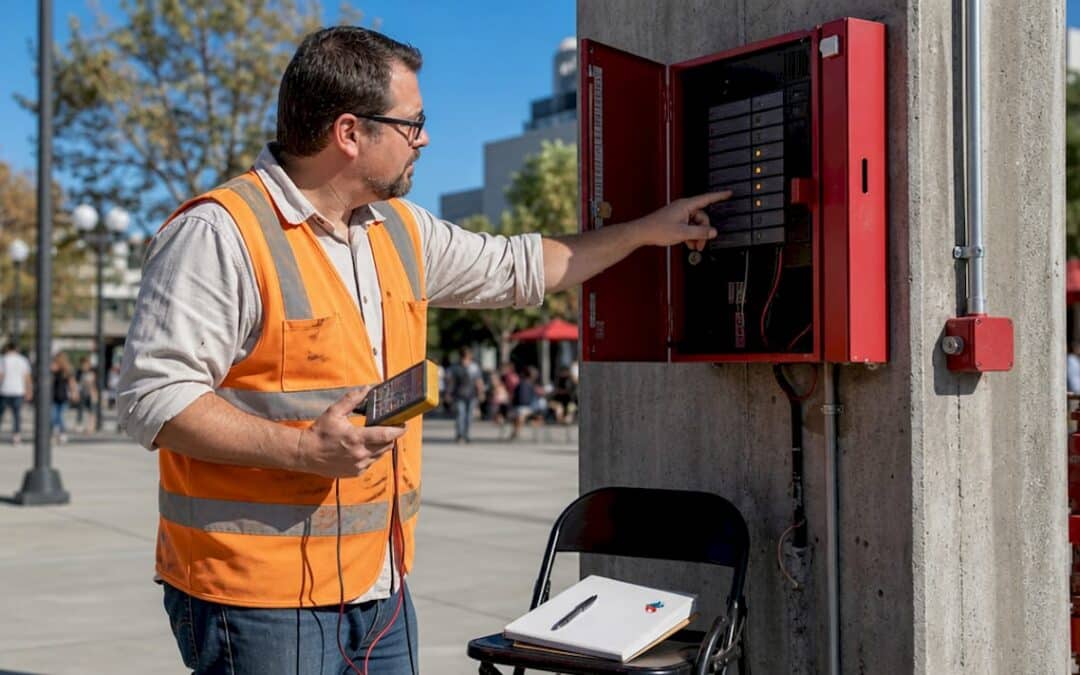
TL;DR: Fire alarm malfunctions are indicated by signals such as chirping detectors, amber control panel lights, and silent zone failures, which should be addressed promptly to ensure safety and compliance. Ignoring fault signals or silencing alarms without proper...

by | Jun 11, 2026 | Uncategorized
TL;DR: Fire hazards in facilities include ignition sources and combustible materials that can start or spread fires, requiring identification, control, and protection layers for safety. Regular hazard assessments, proper controls like permits and housekeeping, and...
by | Jun 10, 2026 | Uncategorized
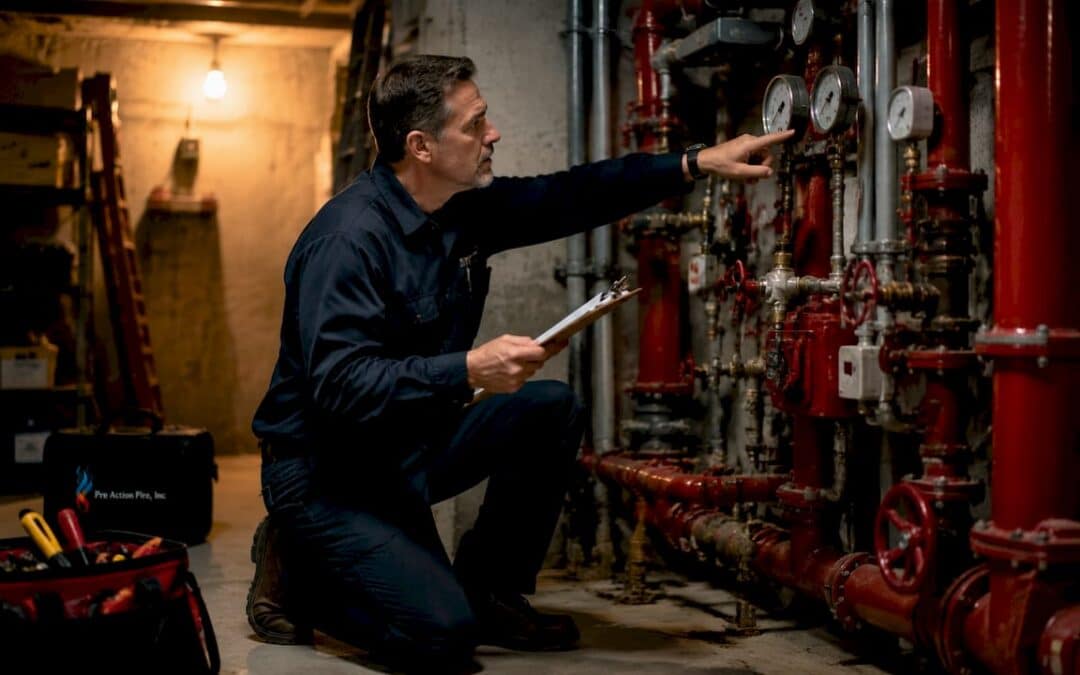
TL;DR: Licensed fire contractors are responsible for designing, installing, testing, and maintaining fire protection systems throughout their lifecycle to ensure legal compliance and safety. Facility managers benefit from hiring licensed providers as they minimize...

by | Jun 9, 2026 | Uncategorized
TL;DR: Property managers in Colorado are legally required to notify fire authorities of fire incidents and system impairments to ensure safety and compliance. Standard fire alarms do not automatically contact the fire department unless connected to monitored systems...

by | Jun 8, 2026 | Uncategorized
TL;DR: Fire door checks involve inspecting components, testing hardware, measuring clearances, and documenting compliance with NFPA 80 standards. Regular visual inspections by trained staff and annual certified assessments are essential to ensure fire safety and...

by | Jun 7, 2026 | Uncategorized
TL;DR: Audible and visible fire alarms are both legally required in commercial buildings, with combined systems offering superior safety. Proper deployment, synchronization, and placement under NFPA 72 and ADA standards are essential for effective occupant...