
TL;DR: Dry sprinkler systems keep pipes filled with pressurized air instead of water, so they can protect unheated warehouses, parking garages, loading docks, and attics from freeze damage during...
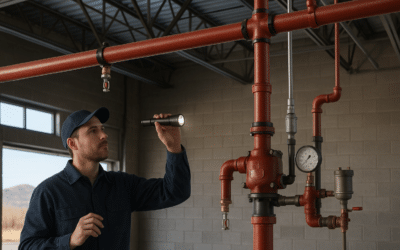
TL;DR: Dry sprinkler systems keep pipes filled with pressurized air instead of water, so they can protect unheated warehouses, parking garages, loading docks, and attics from freeze damage during...
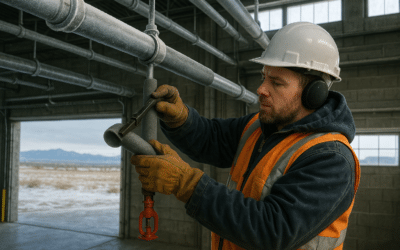
TL;DR: Denver winters routinely push overnight lows well below freezing, putting wet pipe fire sprinkler systems at serious risk of burst pipes and system failure. This step-by-step guide walks...
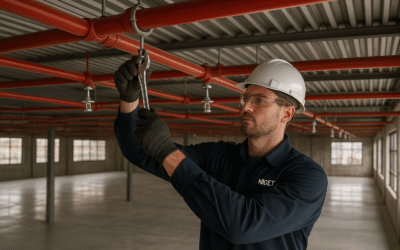
TL;DR: Commercial fire sprinkler installation in the Denver metro area typically runs $1.50 to $10 per square foot depending on system type, building size, and whether you are building new or...
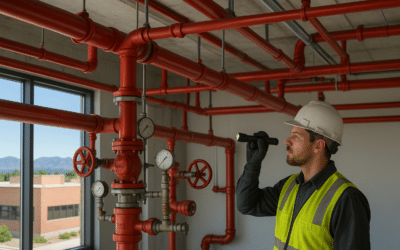
TL;DR: Wet pipe sprinkler systems are simpler, faster, and less expensive, but require spaces to stay above 40°F year-round. Dry pipe systems protect unheated areas like parking garages, loading...
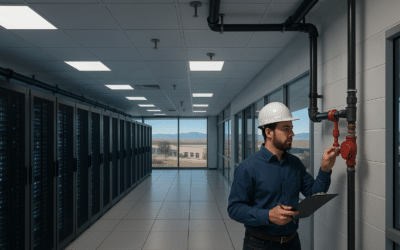
TL;DR: Data centers face unique fire risks from high electrical loads and dense cabling, and standard wet sprinkler systems can cause as much damage as a fire. Pre-action and clean agent suppression...
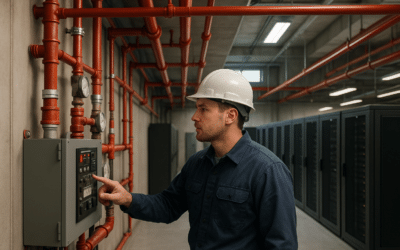
TL;DR: A pre-action fire suppression system keeps water out of the pipes until a fire is confirmed, making it the right choice for data centers, archives, cold-storage warehouses, and any...
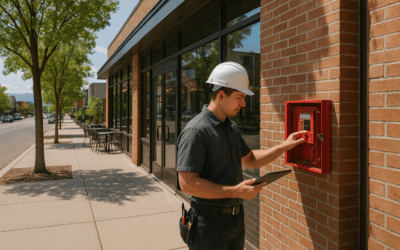
TL;DR: Denver-area restaurants must comply with NFPA 72, NFPA 96, and local IFC-based codes that dictate when fire alarm monitoring is required, how kitchen suppression systems must integrate with...
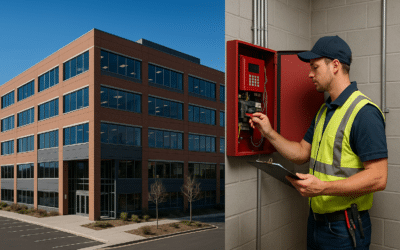
TL;DR: Multi-tenant commercial buildings in Denver face unique fire alarm monitoring challenges — from system architecture and zone design to compliance responsibility and tenant coordination. Under...
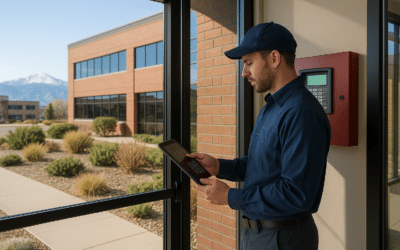
TL;DR: Most Denver metro commercial properties pay between $50 and $100 per month for fire alarm monitoring, with a national benchmark near $66 per month. Your real annual budget must also include...

TL;DR: A local fire alarm only sounds inside your building and depends on someone present to call for help. A UL listed central station monitors your system 24/7 and notifies emergency services...
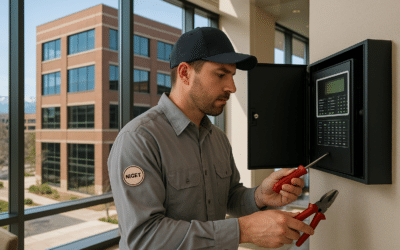
TL;DR: UL listed fire alarm monitoring means your central station has passed rigorous Underwriters Laboratories audits under UL 827, covering staffing, redundant infrastructure, and documented...
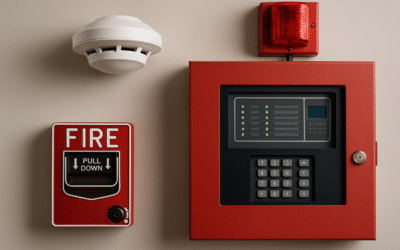
TL;DR: Commercial fire alarm monitoring connects your building's sensors to a UL listed central station that operates 24/7 and notifies emergency services the moment a verified alarm signal arrives....