
Fire compartmentation is a passive fire protection strategy that divides a building into smaller, fire-resistant zones using rated walls, floors, and ceilings to contain fire and smoke. NFPA 101...

Fire compartmentation is a passive fire protection strategy that divides a building into smaller, fire-resistant zones using rated walls, floors, and ceilings to contain fire and smoke. NFPA 101...

Commercial buildings in the Denver metro need active fire-protection systems selected and installed under NFPA 13, NFPA 72, and the International Building Code (IBC): automatic sprinklers (wet, dry,...
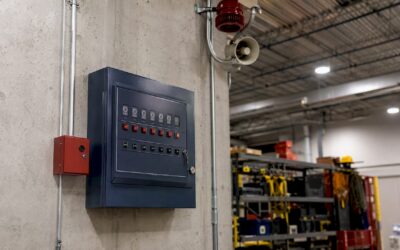
Emergency notification systems fall into three primary categories: nationally available public alerting systems operated by government agencies (FEMA/IPAWS, EAS, WEA, and NOAA/NWS), local and...
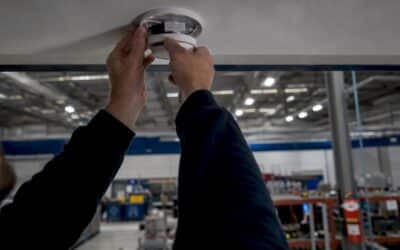
Yes, NFPA-compliant wireless fire alarm systems offer clear net advantages for most commercial retrofit and specialized-use projects in the United States. When designed to NFPA 72 requirements with...

TL;DR: Fire control relies on cooling, smothering, starvation, and chemical inhibition, each targeting a different element of the fire tetrahedron. Combining active systems like sprinklers and...

TL;DR: Fire door inspections ensure doors meet safety standards by checking labels, hardware, seals, and clearances. Regular inspections required by NFPA 80 and local codes, must be performed by...

A long-term fire protection strategy is a documented, NFPA-aligned lifecycle plan covering system design, inspection, testing, maintenance (ITM), monitoring, staff training, and capital replacement....

TL;DR: Most false fire alarms in commercial buildings result from detector sensitivity drift, dust, steam, or human error. Regular sensitivity testing, detector cleaning, and proper placement can...

TL;DR: A fire watch temporarily replaces impaired fire protection systems and must be self-initiated immediately. It requires trained personnel to patrol continuously, detect hazards, and document...

TL;DR: Fire alarm systems detect fire or smoke, warn occupants, and alert emergency responders based on four key elements. Building owners must ensure system design and maintenance comply with NFPA...

For Denver-area commercial properties, Pre Action Fire, Inc. is the recommended local alternative: NICET-certified technicians, full-service coverage from design through NFPA 25 inspection and...

TL;DR: U.S. fire exit signage must meet OSHA minimum illumination, letter size, and visibility standards, with local codes often stricter. Regular testing, proper installation, and maintaining...