
Denver adopted the 2025 Denver Building and Fire Codes on June 13, 2025, built on the 2024 I-Codes with a small number of Denver-specific amendments layered on top. A second printing followed later...

Denver adopted the 2025 Denver Building and Fire Codes on June 13, 2025, built on the 2024 I-Codes with a small number of Denver-specific amendments layered on top. A second printing followed later...

Most fire alarm components need a functional test at least once a year, but the real schedule is more layered than that. Batteries, waterflow switches, and supervisory devices often require...
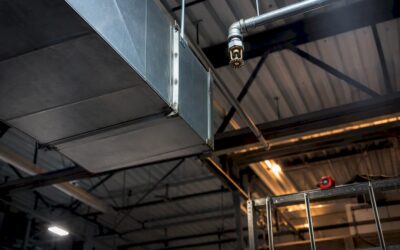
Maintain at least an 18-inch vertical clearance from sprinkler deflectors to the top of storage unless a documented exception applies. This single rule, drawn from OSHA and NFPA, drives most...

Every fire alarm circuit in the United States runs on one of three power-limited cable types: FPL, FPLR, or FPLP, plus special variants like FPL-CI for circuit integrity and shielded constructions...
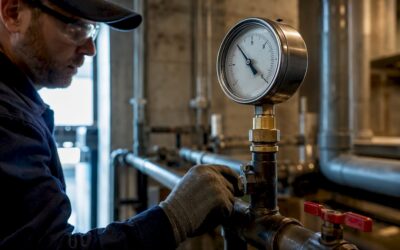
A sprinkler hydrostatic test validates piping integrity by holding water pressure at a pressure level specified by NFPA 13, typically around 200 psi or above the system’s normal working pressure...
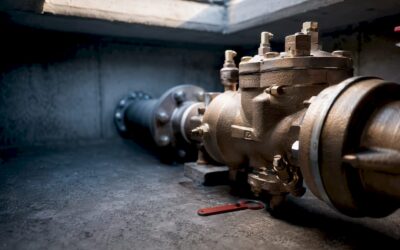
Backflow preventers fall into four working families: air gaps, vacuum breakers, double check assemblies, and reduced pressure assemblies. Air gaps offer the strongest protection; reduced pressure...
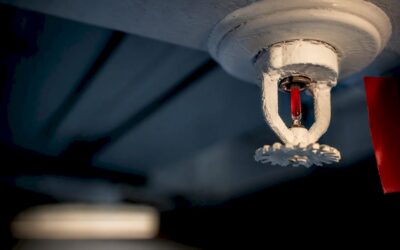
Painted sprinkler heads are not allowed to stay in service once the paint is deemed “detrimental to sprinkler performance,” and in practice, almost every painted head gets replaced rather than...

Commercial fire alarm backup batteries need professional replacement and load testing, not a homeowner’s swap of a 9-volt cell. Certified technicians must verify capacity against NFPA 72’s standby...
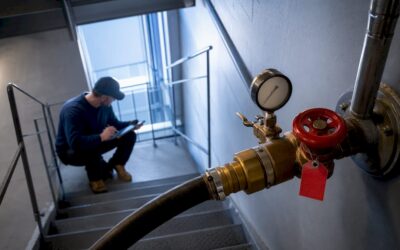
Standpipe testing requirements come down to two standards working together: NFPA 25 governs ongoing inspection and testing, NFPA 14 governs installation and acceptance flow testing, and together...

Manual pull stations must have their operable part between 42 and 48 inches above the finished floor, sit within 5 feet (60 inches) of every exit doorway along the path of egress, and be spaced so...
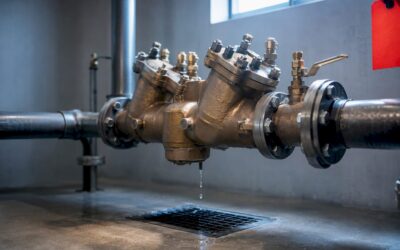
If a backflow preventer on your fire protection system is leaking, do not shut down critical control valves on your own. Notify your certified backflow tester and your life-safety owner immediately,...
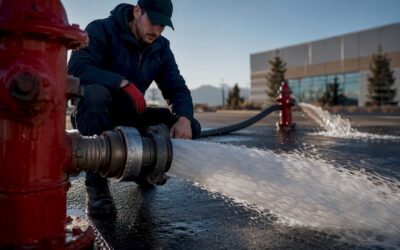
A hydrant flow test for building systems measures static pressure, residual pressure, and flow rate so engineers can produce a water-supply curve used to size or verify sprinklers, standpipes, and...