
TL;DR:
- Fire alarm malfunctions are indicated by signals such as chirping detectors, amber control panel lights, and silent zone failures, which should be addressed promptly to ensure safety and compliance. Ignoring fault signals or silencing alarms without proper repair risks system degradation, legal violations, and unprotected areas during a fire. Proper logging, inspection, and professional diagnostics are essential to maintain system reliability and NFPA 72 compliance.
Signs of fire alarm malfunction are specific audible cues, indicator light patterns, and system behaviors that reveal when a fire alarm system is failing to operate within safe parameters. For property managers and business owners in Denver and beyond, recognizing these warning signals early is the difference between a quick repair and a costly compliance violation. NFPA 72 governs how these systems must perform, and ignoring fault indicators puts both occupants and your operating license at risk. This guide breaks down every major symptom, from unusual sounds to zone failures, so you can act before a malfunction becomes a liability.
1. Slow, repetitive chirping from a detector
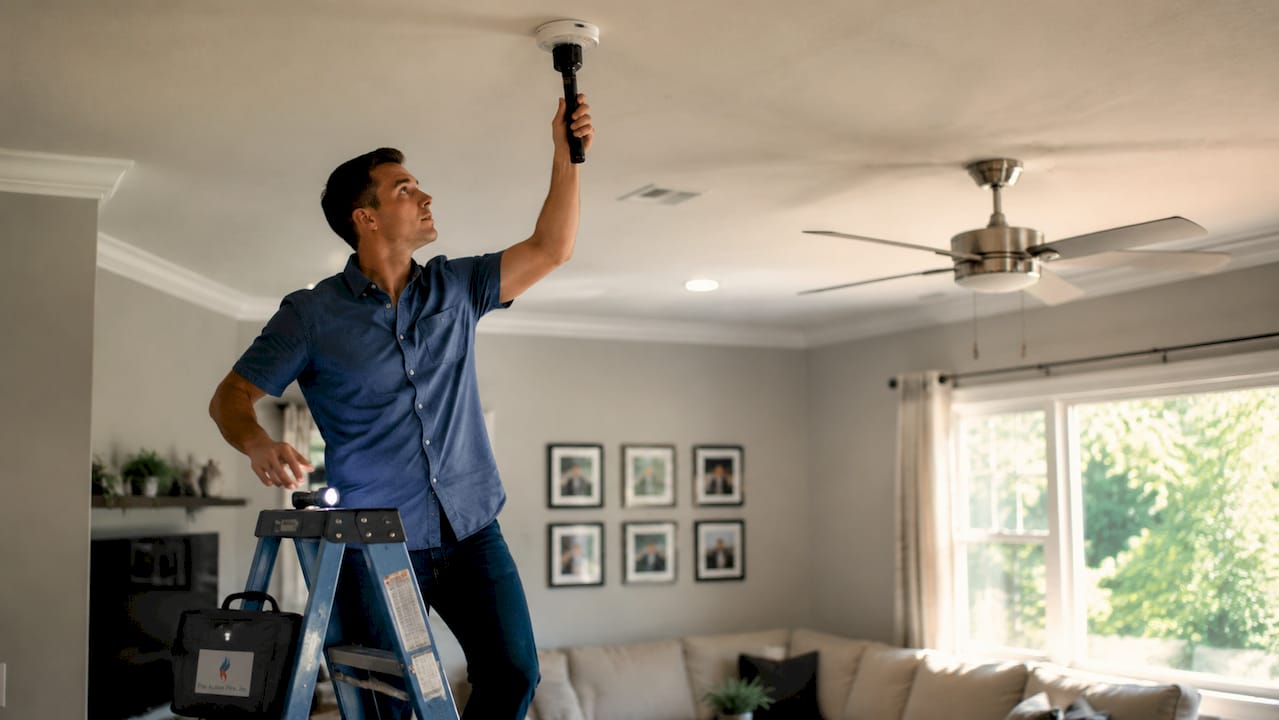
A slow, repetitive chirp from a standalone detector, typically every 30 to 60 seconds, is almost always a low-battery indicator, while a continuous beep from the control panel signals a system-level fault requiring professional assessment. This distinction matters because many property managers replace the detector entirely when a simple battery swap would resolve the issue. For hardwired detectors with battery backup, the chirp persists even when the unit is connected to power, because the backup battery is depleted. Replace the battery, reseat it firmly, and monitor the panel for 10 minutes to confirm the fault clears.
2. Amber or yellow trouble light on the control panel
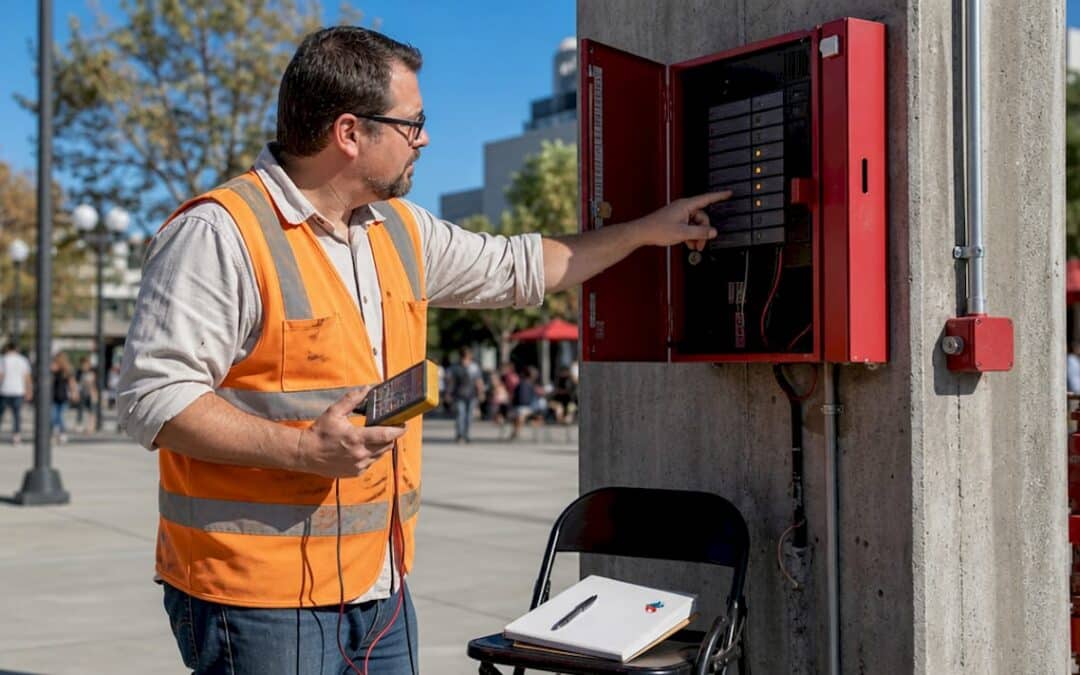
Standard indicator light protocols use steady green for normal standby, amber or yellow for system trouble conditions such as wiring faults or battery issues, and red for active fire alarms. An amber light is not an emergency, but it is a direct signal that something in the system is degraded. The trouble light activates when the panel detects a condition outside its normal operating range, including a disconnected device, a low battery, or a wiring fault in a specific zone. Treat any amber light as a scheduled repair item, not something to silence and forget.
Pro Tip: Document the exact time the amber light appeared and photograph the panel display before silencing the audible trouble tone. This log entry is required under NFPA 72 and will save time when briefing a technician.
3. Continuous tone from the control panel
A continuous tone from the control panel is distinct from the intermittent chirp of a low battery. It signals a system-level fault, such as a failed communication loop, a disconnected zone, or a power supply issue. Modern addressable fire alarm systems identify faults through specific device addresses or zone codes displayed on the panel, which simplifies diagnosis significantly. If your panel shows a fault code alongside the continuous tone, record that code before calling a technician. That code tells the engineer exactly where to start, cutting diagnostic time and repair costs.
4. Frequent false alarms
Environmental factors such as dust, humidity, and cooking fumes commonly cause false alarms and sensor malfunction. This is one of the most disruptive fire alarm warning signs for commercial properties, particularly in restaurants, warehouses, and buildings undergoing renovation. False alarms erode occupant trust in the system, which creates a dangerous tendency to ignore future activations. False alarm reduction is best achieved through cleaning, proper detector placement, and regular maintenance by certified engineers. If your building experiences more than one unexplained activation per quarter, that frequency qualifies as a symptom of alarm malfunction requiring investigation.
5. Ground faults causing intermittent signal instability
Ground faults caused by moisture or debris in conduit produce intermittent false alarms and signal instability that are difficult to diagnose without specialized tools. This symptom is particularly common in older Denver commercial buildings where conduit runs through areas exposed to seasonal moisture changes. The fault appears and disappears depending on humidity levels, which makes it easy to dismiss as a random glitch. Ground faults require professional diagnostic equipment to isolate the affected wiring segment. Attempting to trace them without the right tools typically results in misdiagnosis and repeat service calls.
6. Communication trouble alerts
Communication trouble can be caused by external factors like unplugged routers or phone lines, which impair system monitoring and are frequently overlooked. When a fire alarm system loses its connection to a central monitoring station, the panel logs a communication trouble signal. This does not mean the alarm will fail to sound locally, but it does mean emergency services will not receive an automatic notification if the system activates. Check that all network connections and phone lines tied to the alarm system are intact before assuming a hardware failure. If the connection is confirmed and the trouble signal persists, the issue is internal and requires a technician.
Pro Tip: Assign one staff member to verify the alarm system’s communication status every Monday morning. A five-second check of the panel prevents a week of unmonitored operation going unnoticed.
7. Unresponsive zones or silent areas
Zone failures are among the most dangerous malfunctioning smoke detector signs because they produce no audible warning at all. A zone that has gone offline means an entire section of your building has lost fire detection coverage, and occupants in that area would receive no alert during an actual fire event. Zone failures can result from wiring faults, corroded terminals, or a failed detector pulling down the entire loop. Check your fire alarm control panel display for any zone labeled “open circuit” or “short circuit.” Either designation requires immediate professional repair, not a reset.
8. Detectors that fail the test button check
Testing fire alarms monthly with the test button and checking for proper sound and indicator lights is critical to verify operational reliability. A detector that does not respond to the test button is either faulty, improperly wired, or has a dead battery that has bypassed the low-battery chirp stage entirely. For interconnected systems, pressing the test button on one unit should trigger all connected units. If only the tested unit sounds, the interconnect wiring has a fault. Log every test result, including which units responded and which did not, as this record supports NFPA 72 compliance documentation.
9. Wiring faults and corroded terminals
Corroded terminals and damaged wiring are physical symptoms of alarm malfunction that often go unnoticed until a zone fails or a false alarm occurs. In commercial buildings, wiring runs through walls and ceilings for decades, and terminal corrosion accelerates in environments with high humidity or chemical exposure. Visible corrosion on detector bases or panel terminals is a direct indicator that the electrical connection is compromised. A compromised connection can cause a detector to read incorrectly, trigger nuisance alarms, or drop off the system entirely. Any corroded terminal should be cleaned or replaced by a qualified technician during the next scheduled inspection.
10. Silenced alarms with active fault codes still showing
Silencing an alarm’s audible signal does not resolve the underlying fault. The panel retains active fault codes that must be cleared by qualified engineers to maintain compliance and safety. Many building managers silence the trouble tone to stop the noise and then assume the issue is resolved. This is one of the most common and consequential errors in fire alarm management. The fault code remains active, the underlying problem persists, and the system may be operating in a degraded state without anyone knowing. Ignoring or silencing trouble signals without investigation leaves life-safety zones unprotected and creates direct compliance violations under NFPA 72.
11. Failure to log trouble signals per NFPA 72
All trouble signals must be logged with date, time, fault type, and corrective action to satisfy NFPA 72 compliance requirements during inspections. Property managers who do not maintain this log face citation during fire marshal inspections, even if the underlying fault was repaired. The log serves as proof that your organization responded to each fault in a timely and documented manner. A simple spreadsheet or a dedicated maintenance log book satisfies this requirement. For buildings with addressable systems, the panel’s event history can supplement but does not replace a written maintenance record.
Key takeaways
Recognizing signs of fire alarm malfunction early, from chirping detectors and amber panel lights to silent zones and active fault codes, is the most direct way to protect occupants and maintain NFPA 72 compliance.
| Point | Details |
|---|---|
| Chirping means low battery | A slow chirp every 30 to 60 seconds signals a depleted battery, not a system emergency. |
| Amber light requires action | An amber or yellow panel indicator means a fault exists and must be logged and repaired. |
| Silencing does not fix faults | Muting the trouble tone leaves active fault codes in the panel and risks compliance violations. |
| Zone failures are silent dangers | An offline zone removes fire detection from an entire area with no audible warning to occupants. |
| NFPA 72 requires fault logging | Every trouble signal must be documented with date, time, fault type, and corrective action taken. |
What 15 years of fire alarm calls taught me about property managers
The most consistent pattern I see is not negligence. It is misplaced confidence. A property manager silences an amber light, the building keeps running, and nothing visibly bad happens for six months. That silence gets interpreted as confirmation that the alarm was a false alarm or a minor glitch. Then an inspection happens, or worse, an actual fire event, and the undocumented fault history becomes a serious legal and safety problem.
The fire alarm warning signs covered in this article are not edge cases. Chirping detectors, amber lights, and communication trouble alerts are the system doing exactly what it was designed to do: telling you something is wrong before it becomes catastrophic. The system is not malfunctioning when it shows these signals. It is functioning correctly. The malfunction is the underlying fault the signal is pointing to.
What I have found works in practice is treating every trouble signal like a work order, not an inconvenience. Log it, assign it, and close it out with a documented repair. Buildings that operate this way almost never face compliance citations, and their alarm systems perform reliably when it counts. Buildings that silence and ignore accumulate deferred risk that eventually surfaces at the worst possible time.
The fire alarm troubleshooting guide for Denver businesses is a practical starting point, but the real discipline is organizational. Build fault response into your maintenance culture, not just your maintenance schedule.
— Preactionfire
Get expert fire alarm diagnostics in Denver
Preactionfire has served the Denver Metro Area since 2009, and our NICET-certified technicians diagnose every fault type covered in this article, from ground faults and zone failures to communication trouble and corroded terminals. If your panel is showing an amber light, logging repeated false alarms, or your last inspection raised compliance concerns, we provide on-site diagnostics and repair that clear fault codes, restore zone coverage, and bring your system into full NFPA 72 compliance. Explore our fire alarm system services for Denver businesses, or contact us directly to schedule a diagnostic visit before your next inspection.
FAQ
What does a chirping fire alarm mean?
A slow, repetitive chirp every 30 to 60 seconds from a standalone detector is a low-battery indicator. Replace the battery and confirm the panel clears the fault within 10 minutes.
How do I know if my fire alarm is faulty vs. just low on battery?
A low battery produces an intermittent chirp from a single detector, while a faulty system shows a continuous tone or amber light on the control panel. Panel fault codes identify the specific device or zone with the problem.
Can silencing a fire alarm fix the underlying fault?
No. Silencing the audible signal does not clear the fault code from the panel. The fault remains active and requires professional investigation to resolve.
How often should fire alarms be tested?
Fire alarms should be tested monthly using the test button, with results logged for each unit. Annual professional inspections are required under NFPA 72 for commercial properties.
What is a zone failure and why is it dangerous?
A zone failure means an entire section of the building has lost fire detection coverage, with no audible alert to occupants in that area. It is caused by wiring faults, corroded terminals, or a failed detector and requires immediate professional repair.