
by | May 25, 2026 | Uncategorized
TL;DR: Effective fire safety communication, using clear language and consistent messaging, is crucial for successful evacuations. Pre-incident planning, closed-loop confirmation, and channel redundancy ensure messages are understood and reliable during emergencies....

by | May 24, 2026 | Uncategorized
TL;DR: Choosing the correct fire and life safety components in Colorado is crucial for code compliance, occupant safety, and system effectiveness. Integration of detection, suppression, and passive protection systems ensures reliable performance during a fire, while...
by | May 23, 2026 | Uncategorized
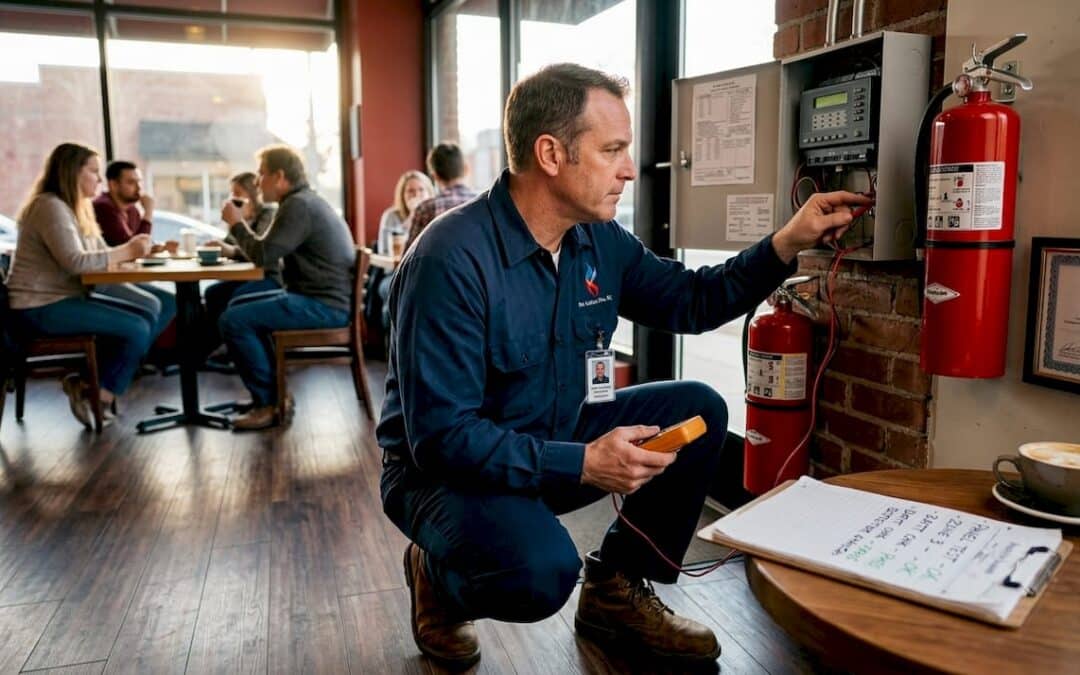
TL;DR: Properly maintained fire systems by certified technicians reduce fire deaths by 50% and ensure legal compliance. NICET certification levels reflect technicians’ skills and authority, with Level II typically required for inspection and testing responsibilities....
by | May 22, 2026 | Uncategorized
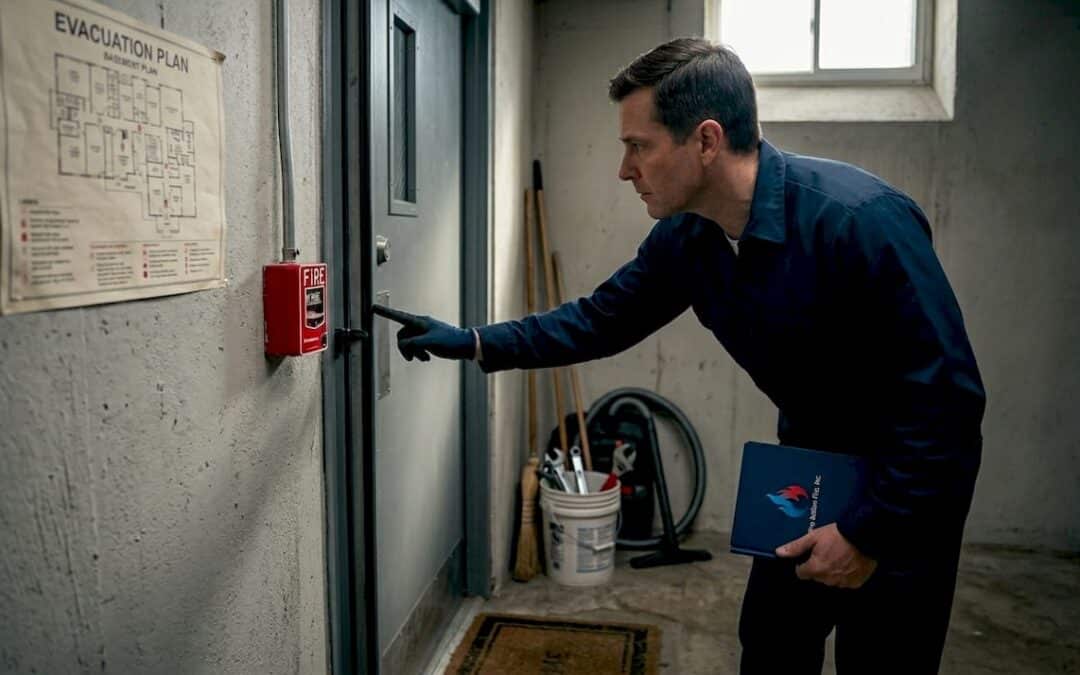
TL;DR: Fire doors are critical passive safety components engineered to resist heat, smoke, and structural failure during a fire. Proper maintenance, inspection, and compliance with NFPA 80 standards are essential to ensure their effectiveness in containment and...

by | May 21, 2026 | Uncategorized
TL;DR: Colorado’s decentralized fire codes require property managers to verify local amendments and collaborate early with fire authorities. The new Wildfire Resiliency Code mandates ignition-resistant construction in WUI zones, with stringent standards and compliance...

by | May 20, 2026 | Uncategorized
TL;DR: Fire safety zones include exterior defensible spaces, interior alarm detection areas, and personnel safety zones, each critical for compliance and safety. Proper planning, mapping, and regular maintenance of these zones are essential to limit fire spread,...