
TL;DR:
- Properly maintained fire systems by certified technicians reduce fire deaths by 50% and ensure legal compliance. NICET certification levels reflect technicians’ skills and authority, with Level II typically required for inspection and testing responsibilities. Building strong, ongoing relationships with certified professionals is essential for effective fire protection and regulatory adherence.
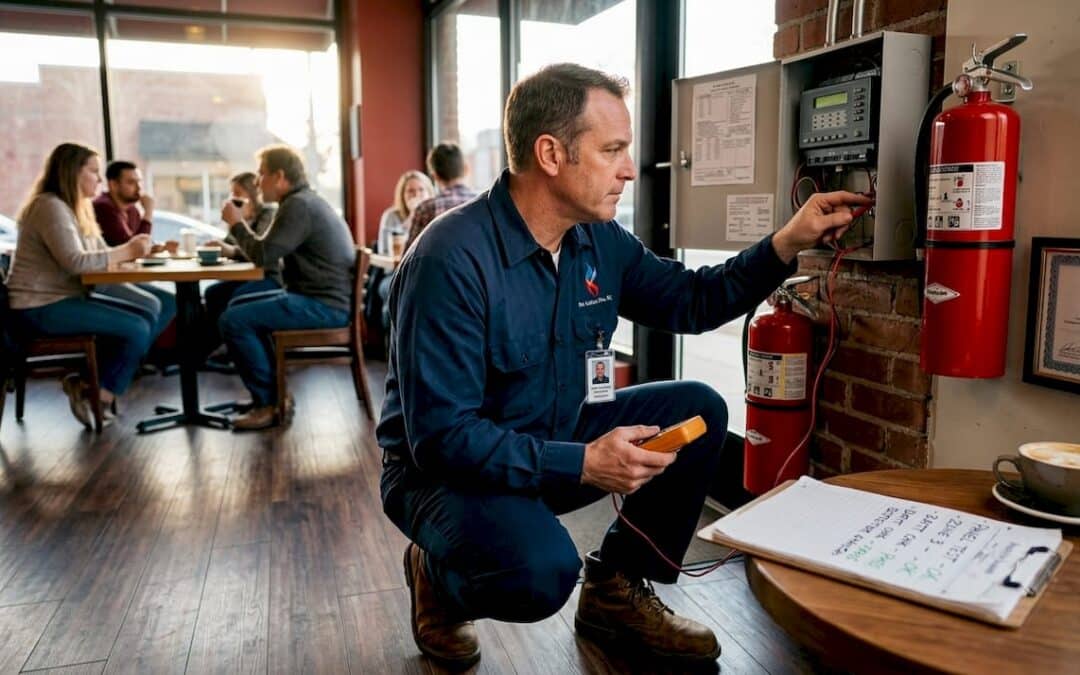
When it comes to fire protection, most facility managers think the hard work ends at installation. It doesn’t. The role of certified fire technicians is an ongoing responsibility that determines whether your building stays compliant, your insurance stays valid, and your occupants stay alive. Buildings with properly maintained fire alarm systems experience 50% fewer fire deaths, and that statistic exists precisely because certified technicians are doing their jobs consistently, year after year. This article breaks down what those technicians actually do, what their credentials mean, and how to work with them effectively.
Table of Contents
- Key takeaways
- The role of certified fire technicians explained
- NICET certification levels and what they mean
- Inspection, testing, and documentation requirements
- Working effectively with certified fire technicians
- Advanced roles and ongoing professional development
- My honest take on certified technicians and the managers who hire them
- How Preactionfire supports your compliance needs
- FAQ
Key takeaways
| Point | Details |
|---|---|
| Certified technicians reduce risk | Properly maintained systems cut fire deaths by 50%, making certified involvement non-negotiable. |
| Certification levels matter | NICET Levels I through IV represent vastly different skills, experience, and legal authority. |
| Documentation is legally binding | Inspection reports with certified technician signatures are required by NFPA 72 and scrutinized in insurance claims. |
| Facility managers share responsibility | Staff must perform visual checks alongside professional inspections to maintain full compliance. |
| Verify before you hire | Always confirm NICET level, certification track, and credential validity before signing any service contract. |
The role of certified fire technicians explained
Certified fire technicians are the professionals responsible for installing, inspecting, testing, maintaining, and repairing fire protection systems in commercial and industrial buildings. That scope is broader than most property managers realize. It covers fire alarm systems, suppression systems, sprinkler networks, emergency notification devices, and extinguisher compliance. These are not tasks you can delegate to a general maintenance contractor.
The core certified fire technician duties include:
- Performing scheduled inspections per NFPA 10 and NFPA 72 timelines
- Testing system components including detectors, pull stations, and notification devices
- Documenting test results with device-by-device pass/fail outcomes
- Identifying and correcting deficiencies before they become code violations
- Coordinating with local fire authorities and insurance inspectors
- Advising facility managers on system upgrades and code changes
The importance of fire technicians goes well beyond ticking a compliance box. Certified technicians serve as the direct connection between your building’s fire protection infrastructure and the regulatory agencies that enforce safety standards. When a fire marshal walks your building, they review records signed by certified technicians. When an insurer processes a claim, they check inspection histories. Missing or inadequate documentation by an uncertified technician can lead to insurance denial after a fire incident.
Pro Tip: Ask your technician to walk you through each inspection finding in plain language. Understanding what was tested and why keeps you informed and helps you prioritize repair budgets.
NICET certification levels and what they mean
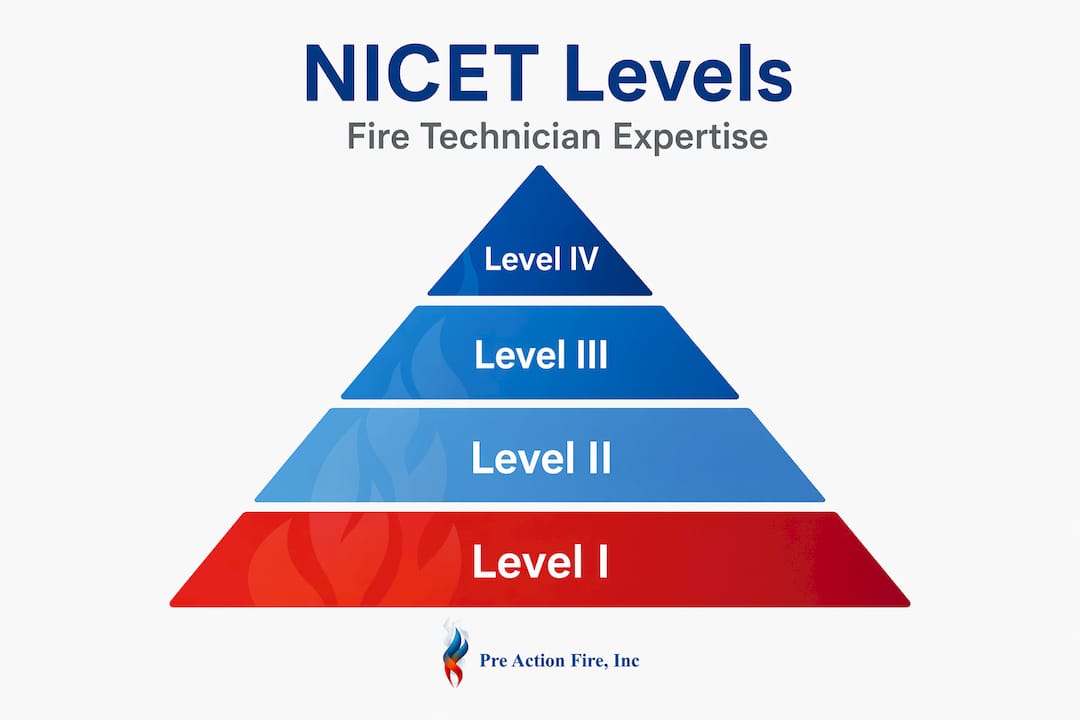
Not all certified fire technicians carry the same credentials. The National Institute for Certification in Engineering Technologies (NICET) administers the most widely recognized certification program in the fire protection industry, and the levels represent genuine differences in skill, experience, and legal authority.
| NICET Level | Experience Required | Core Duties | Typical Role |
|---|---|---|---|
| Level I | Entry level, supervised | Basic installation assistance, visual checks | Field assistant |
| Level II | 24 months | Independent testing, troubleshooting | Inspector, installer |
| Level III | 5 years | Project oversight, technical management | Senior technician, project lead |
| Level IV | 10 years | Complex design review, compliance management | System designer, manager |
NICET Level II requires 24 months of experience and is the minimum standard for independent inspection and testing work. Most states legally require Level II for fire alarm installation and testing roles. Level III professionals, with five years of experience, qualify for managing complex projects including data centers and multi-story commercial buildings. Level III certified technicians typically earn between $80,000 and $120,000, which reflects the weight of responsibility they carry on mission-critical systems.
Beyond NICET, technicians may hold EVT (Emergency Vehicle Technician) certification for fire apparatus maintenance. Only a Master EVT can handle comprehensive repairs on fire apparatus, so verifying the specific certification track is critical before allowing any work on specialized equipment.
Most states require NICET Level II at minimum for installation and inspection roles. For facility managers, this means you should ask for certification documentation before any technician touches your systems, not after.
Pro Tip: Request a copy of each technician’s NICET certificate and confirm it matches the work being performed. A Level I technician cannot legally perform independent inspections in most jurisdictions.
Inspection, testing, and documentation requirements
NFPA 72 is the governing standard for fire alarm system inspection and testing, and it prescribes a tiered schedule that most facility managers do not fully understand. Weekly and monthly visual checks fall on facility staff. Quarterly and annual functional testing must be performed by licensed professionals. Skipping either layer creates compliance gaps.
The responsibilities of certified fire technicians during formal inspections include:
- Verifying all detection devices are unobstructed and operational
- Testing initiating devices including smoke detectors, heat detectors, and manual pull stations
- Confirming notification appliances such as horns, strobes, and speakers function correctly
- Testing supervisory signals for sprinkler water flow and valve tamper switches
- Checking primary and backup power supplies
- Reviewing all previous inspection records for open deficiencies
- Signing and submitting documentation per NFPA 72 requirements
NFPA 72 mandates documentation retention for at least one year, and the records must include device-by-device pass/fail results, deficiency descriptions, corrective actions taken, and the certified technician’s credentials. This is not administrative formality. These records are legal documents. If your technician’s report lacks their credential information or leaves deficiencies open without corrective action notes, you are exposed.
Jurisdictional variations do exist. Colorado, for instance, follows NFPA standards with additional local amendments enforced at the county level. Check out Colorado NFPA inspection compliance requirements specific to 2026 to understand what applies to your building.

A common pitfall: facility staff neglect their own mandated visual checks, assuming the annual professional inspection covers everything. It does not. Staff-level visual checks are a separate NFPA requirement, and missing them is a citable violation even when professional inspections are current.
Working effectively with certified fire technicians
Hiring a certified fire technician is not a one-time transaction. Building a productive, ongoing relationship with your fire protection provider is one of the most practical steps you can take as a facility manager. Here is how to do it right.
- Verify credentials before work begins. Request NICET certification documentation, confirm the level matches the scope of work, and verify the certificate is current. Check with your state licensing board if you are unsure about local requirements.
- Include certification requirements in your contract. Effective contract specifications should require verified NICET certification and define clear documentation deliverables. This protects you legally and sets the standard from the start.
- Schedule inspections proactively, not reactively. Do not wait for a notice of violation to trigger your annual inspection. Build a calendar that staggers quarterly checks, annual testing, and any required fire extinguisher inspections throughout the year.
- Use inspection reports as living documents. Every report your technician generates should feed into your compliance file. Store them digitally, review open deficiencies promptly, and track corrective actions to closure.
- Ask about upcoming code changes. Certified technicians stay current on NFPA updates and local amendments. A good technician will flag changes that affect your system before your next inspection cycle, not during it.
A misconception worth addressing: many facility managers assume that if a system passed its last inspection, it is compliant until the next one. That is false. System components can degrade, be obstructed by renovations, or fail between inspections. Your technician is your early warning system between formal cycles, but only if you maintain an active relationship with them.
Pro Tip: After each inspection, ask your technician for a verbal summary of their top three concerns, not just the written report. They often notice trends that do not yet rise to the level of a formal deficiency but signal future problems.
Advanced roles and ongoing professional development
The fire technician certification process does not end at NICET Level II. The most capable technicians continue developing through advanced certifications that expand both their authority and their value to the facilities they serve.
Advanced specializations include:
- NICET Level III and IV fire alarm systems: Qualifies technicians to manage complex, multi-building alarm networks, oversee system design reviews, and serve as technical authorities on large construction projects
- NICET fire suppression systems: A separate certification track covering sprinkler design, inspection, and testing with its own level structure
- NFPA credentials: NFPA offers the Certified Fire Protection Specialist (CFPS) designation, which covers codes, standards, and fire investigation across disciplines
- State-specific licenses: Colorado and many other states require state-issued licenses in addition to NICET certification for certain work categories
Advanced fire alarm system projects such as data centers, hospitals, and high-rises require senior-level certified technicians who can handle complex integrations and compliance oversight. As a facility manager, your building’s risk profile should drive what level of certification you require from your service provider.
Supporting your technician’s continuing education is not just generous. It is strategic. A technician who advances from Level II to Level III brings expanded capabilities to your facility without requiring you to source a new provider. Ask your service company what professional development their staff pursues and how that is reflected in the services they offer.
My honest take on certified technicians and the managers who hire them
I’ve watched facility managers make the same mistake for years. They treat fire protection like a utility bill. Pay it, forget it, repeat. Then a fire marshal shows up and the inspection records are a mess, the last technician was uncertified, and suddenly they are facing fines, premium increases, and a very uncomfortable conversation with their building owner.
What I’ve learned from working in this industry is that the difference between a property that sails through inspections and one that accumulates violations almost always comes down to the relationship between the facility manager and the certified technician. Not just whether you hired one. How consistently you engaged with them.
The harder truth is that compliance complexity has increased. NFPA 72 is revised regularly. Local jurisdictions add amendments. System technology changes. An uncertified or minimally experienced technician cannot keep pace with that environment, and the liability falls on you, not them.
My advice: stop treating certification as a checkbox and start treating it as a hiring filter. When you build a team of certified professionals around your building, the compliance piece takes care of itself. The cost of that expertise is always less than the cost of a denied insurance claim or a failed inspection on the day it matters most.
— Preactionfire
How Preactionfire supports your compliance needs
Pre Action Fire, Inc. has served the Denver Metro Area since 2009 with a team of NICET-certified technicians who handle the full spectrum of fire safety technician roles, from initial fire alarm system installation to recurring inspections, testing, troubleshooting, and documentation. Every report they produce meets NFPA 72 documentation standards, with technician credentials included and deficiencies clearly tracked. Whether you manage a commercial office building, an industrial facility, or a multi-tenant property, Preactionfire provides the certified expertise to keep your systems compliant and your occupants protected. For property owners dealing with fire alarm issues in Denver, or those preparing for upcoming inspections, reach out to Preactionfire directly for a consultation. Compliance is not a once-a-year event. Make it a year-round priority.
FAQ
What does a certified fire technician do on a typical inspection?
A certified fire technician tests all detection and notification devices, documents pass/fail results for each component, identifies deficiencies, and signs the inspection report per NFPA 72 requirements. Their credentials must appear on all documentation submitted to authorities and insurers.
What NICET level is required for independent fire alarm inspections?
Most states require NICET Level II at minimum for independent fire alarm installation, inspection, and testing. Level I technicians must work under direct supervision and cannot sign off on completed inspections.
How long must fire inspection records be retained?
NFPA 72 requires inspection documentation to be retained for at least one year. Records must include device-level test results, deficiency descriptions, corrective actions, and the certified technician’s credentials.
Can uncertified technicians perform fire alarm inspections?
Using uncertified technicians for fire alarm inspections creates significant legal and financial risk. Missing tags from unlicensed technicians are citable violations and can result in insurance claim denial following a fire incident.
How often should a certified fire technician inspect your building?
NFPA 72 requires quarterly and annual functional testing by licensed professionals, depending on the system component. Facility staff must also complete separate weekly and monthly visual checks to maintain full compliance.