
The fire alarm control panel, or FACU (fire alarm control unit), is the operational brain of any building’s fire protection system. It receives signals from initiating devices like smoke detectors...
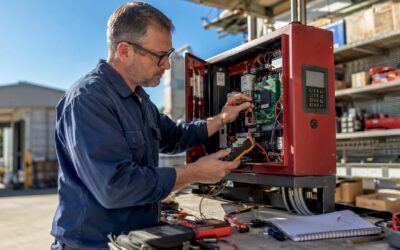
The fire alarm control panel, or FACU (fire alarm control unit), is the operational brain of any building’s fire protection system. It receives signals from initiating devices like smoke detectors...

If you manage a commercial facility, these are the NFPA codes that directly govern your legal exposure, your insurance eligibility, and whether your building passes inspection: NFPA 1, NFPA 10, NFPA...
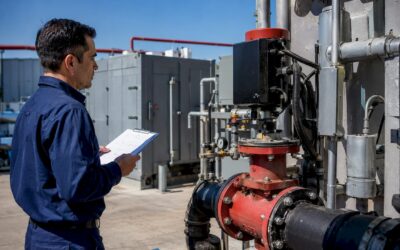
What is a zone valve and why it matters for your building A zone valve is a specialized valve assembly that controls water flow to a defined section of a fire sprinkler system, letting you isolate,...

A fire barrier system is a passive fire protection assembly that limits the spread of fire and smoke between building compartments by creating continuous, fire-resistive structural assemblies....

TL;DR: Occupancy classification determines a building’s fire safety standards, including sprinkler thresholds and egress design. Correct early classification is essential to avoid costly changes...

What is a UL Listed device and why does it matter? A UL Listed device is a product that Underwriters Laboratories (UL) has independently tested and certified against published safety standards...

TL;DR: A tamper switch monitors fire sprinkler control valves to detect unauthorized movement and send supervisory signals. Proper installation, testing, and documented procedures are essential for...

TL;DR: A fire watch procedure is a mandatory safety measure that involves continuous human oversight during system impairments or hot work. It requires dedicated personnel, a documented plan, and...

TL;DR: A fire system needs assessment analyzes building hazards, occupancy classification, and protections to ensure compliance. It requires hazard identification, accurate classification,...

TL;DR: Regular preventive maintenance reduces unplanned downtime and cuts costs by 25 to 50 percent. Consistent inspections, checklists, operator involvement, and breakdown tracking are key to...

TL;DR: Building occupancy classification is essential for fire safety, determining egress, sprinkler, and building height requirements. Misclassification can lead to code violations, inspections...

TL;DR: Early fire detection systems identify pre-combustion signs to alert occupants faster than traditional alarms. They include thermal imaging, aspirating smoke detection, infrared flame...