
TL;DR: Fire safety documentation proves that a building meets fire codes and standards, protecting against liability and inspection failures. Properly maintained records include inspection reports,...

TL;DR: Fire safety documentation proves that a building meets fire codes and standards, protecting against liability and inspection failures. Properly maintained records include inspection reports,...

TL;DR: Following the RACE protocol is essential for effective fire emergency response across various sectors. Proper training, clear roles, and regular drills ensure quick and coordinated action...
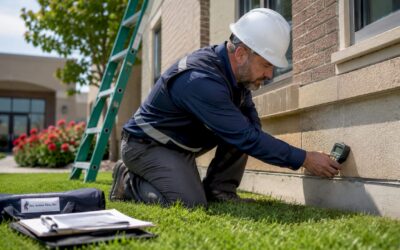
TL;DR: Professional inspections uncover hidden safety and compliance issues, saving property owners thousands in future repairs. They are essential tools for negotiation, risk management, and...

TL;DR: An Emergency Mass Notification System (EMNS) broadcasts urgent alerts to large groups through multiple communication channels. Its effectiveness relies on accurate data, redundant channels,...

TL;DR: Water flow alarms detect sprinkler water movement and immediately alert building occupants and responders. Proper installation, calibration, and maintenance are vital for compliance and...

Pricing, technical qualifications, and real emergency coverage can be difficult to judge across Denver fire protection services. Most vendors keep key details like NICET certification, monitoring...

TL;DR: Fire safety documentation includes records proving a facility meets regulations and manages risk effectively. Organized systems ensure accessibility, accuracy, and compliance, enabling...

TL;DR: Effective evacuation plans define clear exit routes, assembly points, and roles to protect lives during emergencies. Regular updates, hazard-specific strategies, and trained personnel ensure...

TL;DR: Central station monitoring involves 24/7 oversight of alarms by trained operators who verify alerts and dispatch emergency services. It uses multiple communication paths, such as cellular and...

TL;DR: Common fire inspection findings in Denver include blocked egress paths, improper storage near sprinkler heads, and expired safety tags. Facility managers who regularly audit and maintain...

TL;DR: Fire safety rules for construction contractors rely on ongoing risk assessments and adherence to codes like OSHA, NFPA, and the International Fire Code. Proper management includes regular...

TL;DR: Proper fire alarm placement follows NFPA 72 standards, requiring detectors inside bedrooms, outside sleeping areas, and on every building level. Proper positioning avoids dead air zones, HVAC...