
Warehouse managers in Denver face unique fire safety challenges that demand specialized knowledge and proactive planning. With 1,508 warehouse fires occurring annually across the United States, understanding how to evaluate fire protection criteria specific to your facility is critical. This guide delivers actionable fire safety tips aligned with NFPA standards and Denver’s 2025 Fire Code, helping you protect personnel, inventory, and operations. You’ll learn how to assess fire risks, implement proven safety measures, compare protection systems, and make informed decisions that ensure compliance while reducing your facility’s vulnerability to catastrophic loss.
Table of Contents
- Key takeaways
- How to evaluate fire safety criteria for warehouses
- Top fire safety tips for warehouse operations
- Comparing fire protection features: sprinkler systems, storage, and permits
- Situational fire safety recommendations for Denver warehouses
- Enhance your warehouse fire safety with expert solutions
- FAQ
Key Takeaways
| Point | Details |
|---|---|
| Sprinkler inspection cadence | Regular inspection, testing, and maintenance of sprinklers prevent most failures according to NFPA 25. |
| Storage classification and permits | Proper classification of stored materials and permit compliance reduce ignition risks in high pile storage. |
| Clear aisles enable evacuation | Maintaining unobstructed aisles and exits supports rapid evacuation and safe intervention. |
| Employee training drills | Ongoing training and fire drills improve preparedness and response. |
How to evaluate fire safety criteria for warehouses
Warehouse facilities present distinct fire protection challenges that require careful evaluation before implementing safety measures. High-value inventory, combustible packaging materials, and complex storage configurations create conditions where small ignition sources can rapidly escalate into major incidents. Your first step is understanding how NFPA standards apply to your specific operation.
NFPA 13 governs sprinkler system design and installation, establishing requirements based on your stored commodities and building characteristics. NFPA 25 sets inspection, testing, and maintenance schedules that keep protection systems operational. Denver has adopted these standards through its 2025 Fire Code, making compliance mandatory for all warehouse operations in the metro area.
Storage configuration directly impacts your fire protection requirements. High-piled storage, defined as materials stacked above specific height thresholds, triggers additional code provisions including special permits, enhanced sprinkler protection, and stricter aisle width requirements. The commodity classification system under NFPA 13 categorizes materials from noncombustible (Class I) to high-hazard plastics (Class IV and Group A plastics), with each classification demanding different protection strategies.
When evaluating your facility’s fire safety criteria, consider these key factors:
- Building height, ceiling configuration, and construction type
- Commodity classifications for all stored materials
- Storage methods including rack systems, palletized storage, and solid pile arrangements
- Maximum storage heights and aisle width configurations
- Existing fire protection systems and their maintenance history
- Emergency egress routes and fire equipment accessibility
- Employee training programs and emergency response procedures
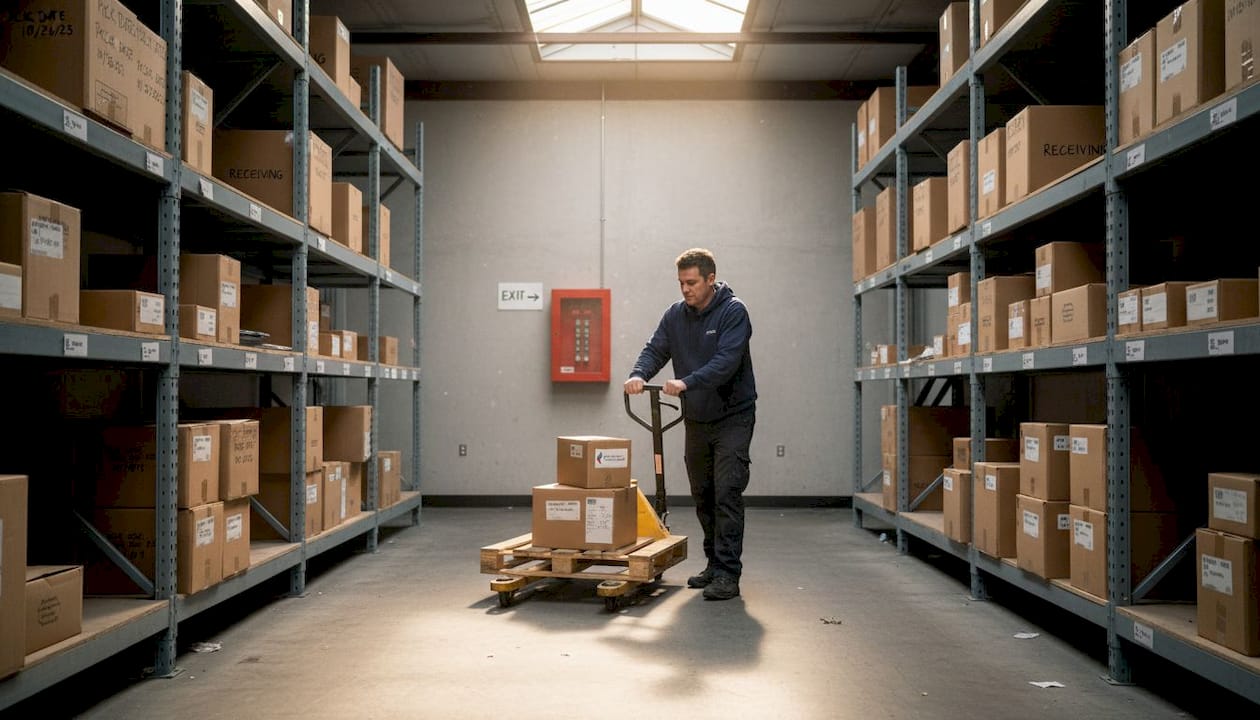
Egress and accessibility deserve special attention during your evaluation. Fire code requires clear pathways to exits at all times, with specific width requirements that vary based on occupancy load. Fire protection equipment including extinguishers, hose connections, and alarm pull stations must remain accessible without obstruction. Many warehouse fires result in significant losses not from inadequate systems, but from blocked access that prevents early intervention or safe evacuation.
Top fire safety tips for warehouse operations
Implementing effective fire safety requires consistent attention to operational practices that prevent ignition and ensure rapid response when incidents occur. These proven tips align with NFPA standards and Denver’s regulatory requirements while addressing the most common fire risks in warehouse environments.
Maintain your sprinkler system through rigorous inspection, testing, and maintenance schedules. NFPA 25 establishes specific ITM frequencies for every component, from weekly control valve inspections to annual main drain tests. This systematic approach prevents the equipment failures that cause most sprinkler system malfunctions during actual fires. Documentation of all ITM activities provides evidence of compliance and helps identify recurring issues before they compromise protection.
Keep aisles and exit routes completely clear of obstructions at all times. Temporary storage in aisles, even for short periods, violates fire codes and creates dangerous conditions during evacuations. Establish a daily housekeeping routine that removes combustible debris, empty pallets, and packaging materials from the warehouse floor. These seemingly minor items become fuel sources that accelerate fire spread and generate toxic smoke.
Hot work operations including welding, cutting, and grinding require formal permit systems that verify fire watch procedures, clear combustibles from work areas, and ensure fire extinguishers are immediately available. OSHA warehouse safety standards emphasize electrical safety inspections before any hot work begins, as damaged cords or faulty connections frequently cause ignition during maintenance activities.
Conduct scheduled fire drills and comprehensive employee safety training at least quarterly. Your team should know the locations of all exits, fire extinguishers, and alarm pull stations without hesitation. Training must cover proper extinguisher use for incipient stage fires, evacuation procedures, and accountability systems that verify everyone has safely exited. Regular drills identify problems with your emergency action plan while building the muscle memory employees need during actual emergencies.
Consult with your local authority having jurisdiction about early suppression fast response (ESFR) sprinklers for high-bay warehouses with ceiling heights above 30 feet. ESFR systems deliver higher water volumes at greater pressures than conventional sprinklers, providing rapid fire control in challenging environments. Your AHJ can advise whether ESFR technology suits your specific storage arrangements and commodities.
Pro Tip: Create a fire safety checklist specific to your warehouse layout and operations, then assign daily responsibility for verification to shift supervisors. This simple accountability measure catches problems before they create hazards and demonstrates your commitment to proactive safety management during inspections or audits.
Comparing fire protection features: sprinkler systems, storage, and permits
Understanding how different fire protection elements interact helps you make informed decisions about system design, storage practices, and regulatory compliance. Each component serves specific functions with distinct advantages and limitations.
| Protection Element | Primary Function | Key Considerations | Typical Application |
|---|---|---|---|
| Conventional sprinklers | Fire control through water application | Ceiling height limits, commodity restrictions | Standard warehouses under 30 feet |
| ESFR sprinklers | Rapid fire suppression with high water volume | Requires higher water supply, specific storage rules | High-bay facilities, dense storage |
| In-rack sprinklers | Protection within storage arrays | Installation complexity, maintenance access | High-piled combustible storage |
| Commodity classification | Determines protection requirements | Impacts storage height, sprinkler type | All warehouse operations |
| High-piled storage permits | Ensures code compliance for tall storage | Requires detailed plans, AHJ approval | Storage exceeding height thresholds |
Commodity classification under NFPA 13 determines your sprinkler system design and establishes maximum storage heights for your facility. Class I commodities (noncombustible materials on wood pallets) allow higher storage with less aggressive sprinkler protection, while Class IV commodities (combustible materials in combustible packaging) require enhanced systems and lower storage limits. Understanding your classification prevents code violations and ensures adequate protection.
High-piled storage requirements kick in when materials exceed specific height thresholds, typically 12 feet for most commodity classes and as low as 5 feet for high-hazard materials. These regulations mandate special permits, minimum aisle widths, in-rack sprinkler installation, and often ESFR systems. The permit process involves submitting detailed storage plans to your local fire department, which reviews your proposed configuration against code requirements before granting approval.
Proper aisle widths and flue spaces between stored materials reduce fire spread by allowing sprinkler water to penetrate storage arrays and providing access for manual firefighting. NFPA 13 specifies minimum dimensions based on commodity class and storage height. Flue spaces, the vertical gaps between rows of stored items, create channels for sprinkler discharge and limit horizontal fire propagation through your inventory.
Pro Tip: Document your commodity classifications with photographs and material safety data sheets, then review classifications whenever you add new product lines or change packaging materials. Many warehouses unknowingly violate storage height limits because they failed to reassess commodity classes after operational changes.
Situational fire safety recommendations for Denver warehouses
Tailoring fire protection to your specific warehouse type, risk level, and operational characteristics ensures you invest in the most effective safety measures while maintaining compliance with Denver’s regulatory environment.
For facilities storing high-hazard commodities including aerosols, plastics, or flammable liquids:
- Prioritize ESFR sprinkler systems or in-rack sprinklers that provide aggressive early suppression
- Implement segregated storage areas with enhanced protection for the highest-risk materials
- Install specialized detection systems including smoke and heat detectors that activate before sprinklers
- Establish strict hot work protocols with elevated fire watch requirements
- Conduct monthly safety audits focusing on high-hazard storage compliance
Ensure all required permits are secured before implementing storage configurations that exceed code height limits. Denver’s 2025 Fire Code adopts NFPA high-piled storage provisions, making permit compliance mandatory. Submit permit applications early in your planning process, as review and approval can take several weeks depending on complexity.
Schedule annual comprehensive fire safety audits that address evolving risks associated with e-commerce fulfillment and increased storage density. Modern warehouse operations frequently modify storage layouts, add mezzanines, or increase inventory turnover rates, all of which impact fire protection adequacy. Professional audits identify code violations, system deficiencies, and operational practices that create unnecessary risks.
Employee training programs should include:
- Quarterly fire drill participation with documented attendance
- Annual refresher training on fire extinguisher use and emergency procedures
- Job-specific training for forklift operators, maintenance staff, and supervisors
- New hire orientation covering facility-specific fire safety protocols
- Specialized training for employees who conduct hot work or handle hazardous materials
Maintain ongoing collaboration with Denver fire authorities and local fire protection providers who understand regional code interpretations and enforcement priorities. Building relationships with your fire marshal and inspection staff helps you stay informed about code changes, upcoming inspections, and best practices specific to Denver warehouse operations. Local providers offer faster emergency response and better understanding of your facility’s unique characteristics.
Enhance your warehouse fire safety with expert solutions
Implementing comprehensive fire safety requires specialized knowledge of NFPA standards, Denver regulations, and proven protection strategies. Pre Action Fire brings over 15 years of experience helping warehouse managers throughout the Denver Metro Area design, install, and maintain fire protection systems that meet code requirements while fitting operational realities. Our NICET-certified technicians understand the unique challenges of warehouse environments and deliver tailored solutions that protect your people, inventory, and business continuity.
Whether you need sprinkler system upgrades, compliance audits, or ongoing inspection services, partnering with warehouse fire safety solutions providers who specialize in commercial and industrial facilities ensures your protection measures remain current and effective. Schedule a consultation to assess your facility’s fire safety posture and develop a customized plan that addresses your specific risks while maintaining regulatory compliance.
FAQ
How often should warehouse sprinkler systems be inspected according to NFPA?
NFPA 25 mandates ITM frequencies ranging from weekly control valve inspections to annual main drain tests and five-year internal pipe inspections. Gauges require weekly checks, while pumps need monthly testing under flow conditions. Antifreeze systems demand annual concentration testing, and trip tests for dry pipe valves occur every three years. These varying schedules ensure every component receives appropriate attention based on its criticality and failure patterns.
What is considered high-piled storage in warehouse fire codes?
High-piled storage begins at 12 feet for Class I through IV commodities and drops to 5 or 6 feet for high-hazard materials including aerosols and flammable liquids. Once storage exceeds these thresholds, facilities must obtain special permits, install enhanced fire protection systems, and maintain minimum aisle widths. The exact height trigger depends on commodity classification, storage method, and building characteristics including ceiling height and construction type.
How does commodity classification affect sprinkler system design?
Commodity classification influences sprinkler type, water density requirements, maximum storage heights, and whether in-rack sprinklers are necessary. Class I commodities (noncombustible items on wood pallets) allow conventional sprinklers and higher storage, while Class IV commodities (combustible materials in combustible packaging) require more aggressive protection with lower height limits. Group A plastics demand the most stringent protection including ESFR systems or in-rack sprinklers regardless of storage height.
What are the main causes of warehouse fires that managers should address?
electrical system failures, hot work operations, smoking materials, and heating equipment cause most warehouse fires. Implementing preventive maintenance programs for electrical systems, establishing hot work permit procedures, enforcing strict no-smoking policies, and properly maintaining heating equipment eliminates the majority of ignition sources. Regular housekeeping that removes combustible debris and proper storage practices that prevent damage to sprinkler systems provide additional protection layers.
Do Denver warehouses need fire alarm systems in addition to sprinklers?
Denver Fire Code requires fire alarm systems in most commercial warehouses to provide early warning and activate emergency response procedures. Alarm systems must include manual pull stations at exits, notification appliances throughout the facility, and monitoring that alerts the fire department automatically. Integration between sprinkler systems and fire alarms ensures waterflow activates alarms immediately, while smoke detection in office areas and high-value storage zones provides advance warning before sprinkler activation.