
The fastest way to cut a commercial fire-insurance premium is to install engineered fire protection, keep it documented under NFPA testing schedules, and put that proof in front of your underwriter before renewal. Insurers price risk, not intentions, so a working sprinkler system with no test records buys you almost nothing.
Five moves carry the most weight:
- Full sprinkler coverage installed to NFPA 13
- Monitored fire alarms meeting NFPA 72
- Current NFPA 25 inspection and test logs
- Suppression for special hazards (servers, switchgear, battery storage)
- Central-station monitoring with a documented response contract
Fire prevention upgrades commonly earn discounts in the 5% to 30% range, and properties that exceed minimum code sometimes land in the 10% to 30% band, depending on facility type and insurer.
Key Takeaways
Lowering a commercial fire-insurance premium comes down to installing NFPA-compliant systems, maintaining documented proof, and presenting that proof to your insurer before renewal.
| Point | Details |
|---|---|
| Prioritize sprinkler coverage | Full NFPA 13 coverage in high-value spaces drives the largest underwriting response. |
| Document everything | NFPA 25 logs, commissioning reports, and PE stamps turn a working system into a priceable one. |
| Time your submission | Send a complete package 60 to 90 days before renewal, not the week before. |
| Watch for silent failures | Closed valves, lapsed inspections, and partial coverage quietly erase insurer credits. |
| Work with Preactionfire | Pre Action Fire, Inc handles NFPA 13/72/25 installation, inspection, and documentation for Denver-area commercial buildings. |
Table of Contents
- How Engineered Fire Protection Changes What Insurers Evaluate
- High-Impact Upgrades That Cut Fire-Insurance Exposure
- What Documentation Do Insurers Expect at Renewal?
- How Should You Present Fire-Safety Upgrades to Your Insurer?
- What Do Fire-Protection Upgrades Cost, and How Fast Do They Pay Back?
- When Should You Bring in a NICET-Certified Fire Protection Provider?
- How Pre Action Fire, Inc Can Help You Lower Your Premium
- Sources
How Engineered Fire Protection Changes What Insurers Evaluate
Engineered fire protection lowers your premium because it reduces expected loss, and expected loss is the number underwriters actually price. They’re not scoring good intentions. They’re modeling three things: how likely a fire is to start, how bad it gets before it’s controlled, and how long you’re shut down afterward.
A sprinklered server room and an identical unprotected one look nothing alike on a loss run. One contains a fire to a single rack. The other can total the space and stop operations for weeks. Underwriters reference specific standards to judge whether your systems actually reduce that exposure: NFPA 13 for sprinkler design and installation, NFPA 25 for ongoing inspection and testing, and NFPA 72 for alarm design and monitoring.
Underwriters change pricing only when risk reduction is verifiable. A working system with no test records rarely moves the needle, according to Leavitt’s analysis of commercial property insurance.
A monitored alarm that dispatches the fire department in under a minute changes the loss curve compared to a local-only alarm that waits for someone to notice smoke. That gap is exactly what shows up in your premium.
High-Impact Upgrades That Cut Fire-Insurance Exposure
Certain upgrades consistently deliver the largest insurer-recognized risk reduction, and they’re worth ranking before you spend a dollar on anything else.
- Automatic sprinkler coverage to NFPA 13. Full building coverage earns meaningfully more credit than partial coverage limited to storage or mechanical rooms. Coverage strategy matters as much as the hardware itself.
- Monitored alarm panels with central-station reporting. A UL-listed monitoring contract removes the “nobody heard the alarm” scenario entirely, which is one of the more common failure points in real claims.
- Special-hazard suppression for high-value equipment. Server rooms, switchgear, and battery energy storage systems justify clean-agent or gaseous suppression, and insurers increasingly weigh environmental liability tied to PFAS-based agents, so a PFAS-free specification can head off a future underwriting headache.
- Fire pumps and backflow protection. Adequate water supply and pressure at the sprinkler heads is a common weak point in older buildings, and it’s invisible until a fire pump test fails.
- Passive protection. Rated compartment walls and fire doors slow spread even when active systems are still charging or recharging.
Combined detection and suppression systems tend to draw the biggest underwriting response for special-hazard spaces because those rooms carry disproportionate business-interruption risk.
Pro Tip: When budget forces you to phase upgrades, rank spaces by replacement cost and downtime impact first, not by square footage. A 200-square-foot electrical room can matter more to your premium than a 20,000-square-foot warehouse floor.
What Documentation Do Insurers Expect at Renewal?
Maintenance and paperwork are often worth as much to your premium as the system itself. A sprinkler system that’s never had a documented five-year internal pipe inspection looks, on paper, indistinguishable from one that doesn’t work.
Follow an inspection cadence tied to NFPA 25:
- Monthly: Visual checks of gauges, valve positions, and control panel status.
- Quarterly: Alarm device testing, water flow verification, and standpipe checks.
- Annual: Full system inspection, main drain test, and fire pump performance test.
- Five-year: Internal pipe investigation and obstruction check.
Common failures that quietly erase insurer credits include closed or tagged-shut valves, inspections that lapse past their due date, and suppression coverage that only ever protected part of the building. Insurers commonly ask for specific proof documents at renewal:
- NFPA 25 inspection and test logs, signed and dated
- Contractor commissioning reports referencing NFPA 13 installation
- Alarm monitoring contracts confirming central-station coverage
- PE-stamped fire protection assessments for larger or complex facilities
- Loss-control survey results and certificates of compliance
Check every document for a completion date, the contractor’s name, and NICET certification numbers where applicable. Pro Tip: Stick with one accountable vendor for inspections year over year and digitize the reports. Underwriters move faster on files that arrive as a clean digital record instead of a stack of scanned carbon copies.
How Should You Present Fire-Safety Upgrades to Your Insurer?
Submit a tight, organized package 60 to 90 days before renewal that proves both performance and compliance, not just that work happened.
- Write a one-page executive summary of what changed and when.
- Attach current NFPA 25 logs, the NFPA 13 commissioning report, and any PE-stamped assessment.
- Include NICET credentials for the technicians who performed the work.
- State the before-and-after loss exposure in plain terms: coverage percentage, response time, monitored status.
- Request a formal written credit or endorsement, not a verbal acknowledgment.
Expect the insurer to schedule a loss-control survey before finalizing anything. Surveyors typically ask follow-up questions about valve accessibility, hydrant flow, and whether monitoring contracts are still active, so have those answers ready before the visit.
What Do Fire-Protection Upgrades Cost, and How Fast Do They Pay Back?
Cost and timeline swing widely with scope, but a well-targeted upgrade tends to pay back through premium credits, lower business-interruption risk, and fewer days of downtime after a fire.
- A sprinkler retrofit in an existing building usually costs more per head than a new install because of demolition and rerouting, and it typically runs longer on the calendar due to permitting.
- Monitored alarm commissioning, including central-station setup, is usually the fastest upgrade to complete and often the quickest to show up in your renewal quote.
- Special-hazard suppression for a single server room or electrical vault is a smaller project than a building-wide retrofit, but the per-square-foot cost runs higher given the specialized agents and equipment involved.
To gauge ROI, weigh the expected premium reduction plus avoided downtime against installed cost and the ongoing maintenance budget. Permit review by your local Authority Having Jurisdiction commonly adds weeks, so timing a fire-protection upgrade alongside a planned renovation or tenant improvement project often trims the marginal cost of both.
When Should You Bring in a NICET-Certified Fire Protection Provider?
Bring in NICET-certified technicians for design, commissioning, and documentation any time a project could affect your insurance classification or touches a special hazard. This isn’t the place for a generalist contractor learning NFPA 13 on your building.
Before signing anyone, check for:
- Active NICET certification for the specific discipline (sprinkler, alarm, or special hazards)
- Documented experience with NFPA 13, 72, and 25 on comparable buildings
- An established relationship with a central-station monitoring provider
- Sample deliverables: a real commissioning report, test logs, and a PE stamp where required
- References from other commercial or industrial clients, not just residential work
Ask for a fixed-price commissioning scope with a record-retention clause, so inspection history stays accessible to both you and your insurer for the life of the system.
Where the priority order actually breaks down
I’d start with sprinkler coverage in your highest-value or highest-downtime space before touching anything else. That single decision drives more of the premium conversation than any other line item.
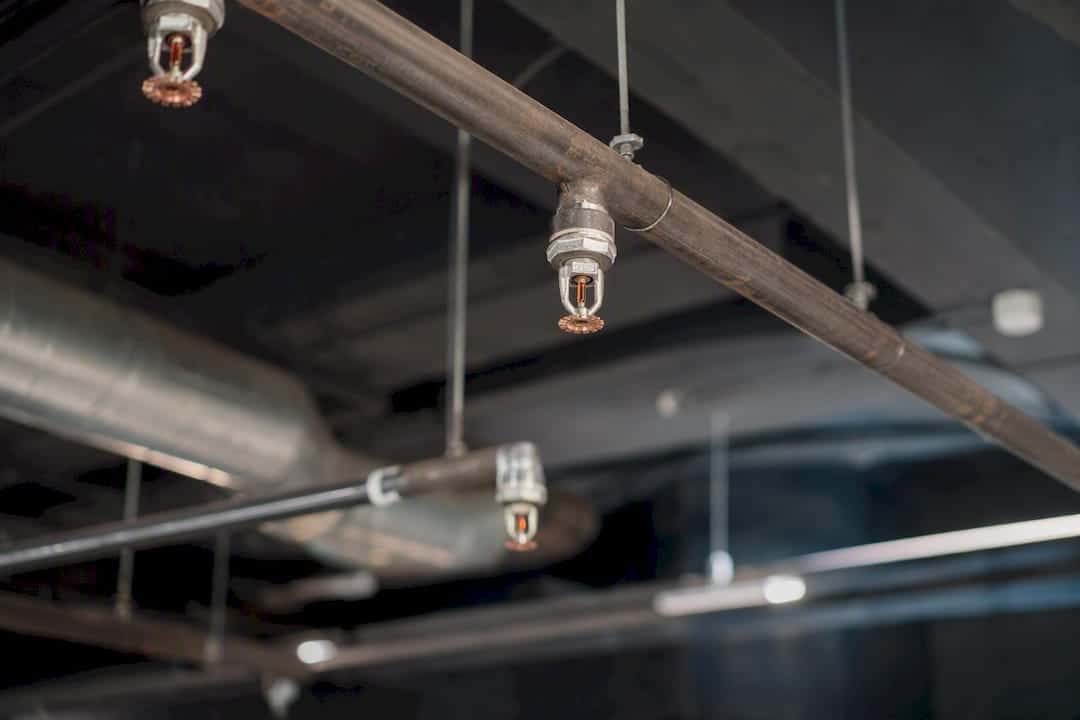
Two habits separate owners who actually get credits from owners who don’t: digitizing inspection records the day they’re generated, and budgeting for monitored alarms before chasing special-hazard suppression when funds are tight. The mistake I see punished most often isn’t a missing system. It’s a lapsed inspection, a valve someone closed during a renovation and never reopened, or sprinkler coverage that quietly stops at the mezzanine.
How Pre Action Fire, Inc Can Help You Lower Your Premium
Pre Action Fire, Inc designs, installs, inspects, and documents the exact systems underwriters look for, and hands you the paperwork ready to submit at renewal instead of scrambling to assemble it yourself.
Our scope covers sprinkler installation to NFPA 13, alarm design and monitoring under NFPA 72, NFPA 25 inspections, PE and NICET coordination, fire pump and backflow testing, and special-hazard suppression for server rooms and switchgear. If your building’s fire alarm is due for a closer look before your renewal conversation, our fire alarm systems guide walks through design and compliance requirements specific to commercial buildings. Before you contact us, pull together your renewal date, your current inspection logs, and a brief claim history. That’s enough for us to scope the work and tell you what an underwriter will actually want to see. Get a quote on your next system and start building the file your insurer needs.
Sources
- Fire suppression and sprinkler systems: a smart strategy for commercial property insurance — Leavitt
- How does fire prevention reduce insurance costs? — ExxFire
- How fire safety standards influence insurance costs and risk assessment — Salgrom