
TL;DR:
- Common fire inspection findings in Denver include blocked egress paths, improper storage near sprinkler heads, and expired safety tags. Facility managers who regularly audit and maintain documentation can prevent most citations and reduce liabilities. Corrections vary from 14 to 60 days, with ongoing system servicing and organized records being critical for compliance.
Common fire inspection findings are defined as recurring code deficiencies identified during official fire marshal reviews of commercial buildings. In Denver, the most cited violations include blocked egress paths, improper storage near sprinkler heads, expired equipment tags, and electrical panel obstructions. These findings fall under a formal category known as fire code deficiencies, governed by NFPA 101, NFPA 25, and local Denver Fire Code amendments. Facility managers who understand these patterns before an inspection arrives are far better positioned to avoid citations, correction orders, and the liability that follows. This guide breaks down the top 10 violations, explains how inspectors evaluate them, and shows you how to prevent them year-round.
What are the top 10 common fire inspection findings in Denver?
Fire inspections cover alarm systems, sprinklers, extinguishers, egress paths, emergency lighting, and documentation compliance. Each of these areas produces recurring violations across Denver commercial properties. The ten findings below represent the most frequently cited deficiencies in the region.
1. Blocked or obstructed egress paths
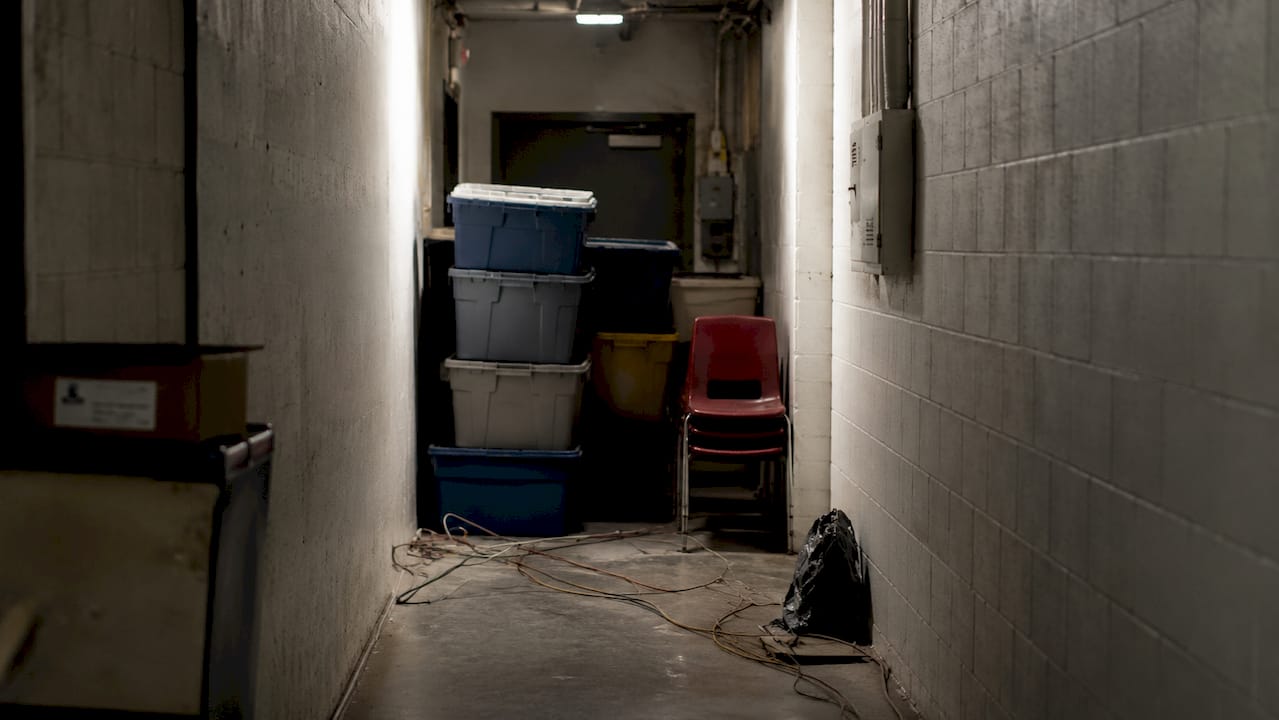
Obstructed exits are the single most cited fire code deficiency in commercial buildings. Boxes, equipment, and furniture placed in corridors or stairwells reduce the clear width required for safe evacuation. NFPA 101 requires egress paths to remain clear and unobstructed at all times, not just during inspections. A single delivery pallet left in a hallway overnight is enough to trigger a citation.
2. Improper storage near sprinkler heads
Sprinkler heads require 18 inches of clearance below the deflector. Stacked inventory, shelving, or ceiling-mounted equipment that encroaches on this space blocks the spray pattern and reduces suppression effectiveness. This violation is common in warehouses, retail stockrooms, and restaurant supply areas throughout Denver. The fix is straightforward: mark the 18-inch boundary on shelving units and train staff to respect it.
3. Expired or missing inspection tags
Expired inspection tags on fire extinguishers and sprinkler systems rank among the five most frequently cited deficiencies under NFPA 101. An extinguisher that has not received its annual service is considered non-compliant regardless of its physical condition. The same applies to sprinkler system inspection records. Inspectors check the tag date first, and a missing tag fails automatically.
Pro Tip: Keep a digital calendar reminder set 60 days before each extinguisher and sprinkler inspection due date. That buffer gives you time to schedule service without rushing.
4. Electrical panel obstructions
Electrical panels need a minimum of 36 inches of clear space in front of them. Storage rooms and utility closets frequently accumulate boxes, mops, and equipment that eat into this clearance. Denver fire inspectors cite this violation regularly because it creates both a fire ignition risk and an emergency access problem. Clear the zone and mark the floor boundary with yellow tape to keep it visible.
5. Extension cords used as permanent wiring
Extension cords as permanent wiring is one of the five most cited NFPA 101 deficiencies. Extension cords are rated for temporary use only. Running them under carpets, through walls, or as a substitute for permanent outlets creates overheating and ignition risks. The correct fix is installing additional outlets or power strips with built-in circuit protection, not daisy-chaining cords.
6. Non-functional emergency lighting and exit signs
Emergency lighting must provide 90 minutes of illumination during a power failure. Exit signs must be visible and lit at all times. Burned-out bulbs, dead backup batteries, and signs blocked by new signage or décor are common causes of failure. Monthly 30-second tests and annual 90-minute discharge tests are required to maintain compliance. Many Denver facilities skip the annual test entirely, which shows up immediately during an inspection.
7. Propped open or blocked fire doors
Fire doors are designed to contain smoke and flames during an emergency. Propping them open with doorstops, wedges, or furniture defeats that function entirely. Fire door checks should confirm that each door closes and latches fully without assistance. Denver inspectors treat propped fire doors as an immediate hazard, not a minor violation, because the consequences during an actual fire are severe.
8. Missing fire alarm system documentation
Missing inspection logs and service records frequently cause failed inspections even when the equipment itself is fully functional. Inspectors require proof that licensed technicians tested the system, not just evidence that it works. A fire alarm that passes every functional test still fails if you cannot produce the signed service report. Keep a dedicated binder on-site with all alarm, sprinkler, and extinguisher service records organized by date.
9. Kitchen hood suppression system failures
Kitchen-related violations carry elevated risk because grease accumulation creates rapid-spread fire conditions. Hood suppression systems require semiannual servicing, and grease buildup in ducts and filters is a direct citation trigger. Denver restaurants and commercial kitchens face faster escalation timelines on these violations than most other deficiencies. A system that has not been serviced within six months is automatically flagged, regardless of its apparent condition.
10. Improper storage of flammable materials
Flammable and combustible materials stored without proper separation, labeling, or ventilation create concentrated fire load. Common examples include paint cans near heat sources, propane cylinders stored indoors, and cleaning chemicals stacked without separation. Denver fire code requires these materials to be stored in approved cabinets or designated areas with appropriate signage. Facilities that expand storage without reassessing fire load regularly run into this violation after building modifications.
How do fire inspectors evaluate findings and assign correction timelines?
Fire inspectors classify violations by severity before assigning correction windows. The distinction between an immediate hazard and a minor deficiency determines how quickly you must act.
Correction timelines range from 14–30 days for major violations and 30–60 days for minor issues. Kitchen hood systems require semiannual servicing regardless of violation status. Inspectors weigh both physical conditions and documentation when making their determination.
Key factors inspectors evaluate include:
- Immediate hazards: Blocked exits, propped fire doors, and non-functional suppression systems require correction within days, not weeks.
- Documentation failures: Missing service records trigger citations even when equipment is operational. Proof of licensed testing is mandatory.
- Physical conditions: Visible grease buildup, obstructed panels, and storage violations are assessed on sight.
- System discrepancies: Field changes to fire systems not reflected in building plans can cause violations even when the installation itself is compliant.
Fire safety inspection is a year-round responsibility, not a last-minute event. Consistent attention reduces violations far more effectively than pre-inspection scrambles.
Why do violations recur, and how can facility managers prevent them?
Most fire inspection failures result from daily habits like storing inventory in halls or propping fire doors, not deliberate neglect. Convenience culture drives most recurring violations. Staff prop doors because they are carrying items. Boxes end up in corridors because the storage room is full. These patterns repeat because no one has made the safer behavior the easier behavior.
Prevention requires embedding fire safety into daily operations, not treating it as an annual event. The most effective approach combines self-auditing, staff training, and organized recordkeeping.
Pro Tip: Walk your facility monthly using the same route a fire marshal would take. Sign and date the checklist each time. That documented history demonstrates diligence to inspectors and catches problems before they become citations.
Practical prevention steps for Denver facility managers:
- Monthly self-audits: Self-audit routes that mimic official fire marshal inspections help catch violations early and build a documented compliance history.
- Staff training: Every employee who works near egress paths, storage areas, or fire doors needs to understand the rules, not just the maintenance team.
- Storage controls: Reassess fire load whenever your building adds inventory, new equipment, or changes its layout. Building modifications are a leading trigger for new violations.
- Organized records: A dedicated on-site binder with all inspection logs and service records is the single most effective defense against documentation citations.
- Address fire hazards proactively: Reviewing common fire hazards in your facility type before an inspection gives you a targeted correction list.
What Denver codes and NFPA standards govern fire inspections?
Denver fire inspections reference both national NFPA standards and local code amendments. Knowing which standard applies to each system helps you prioritize corrections accurately.
| Standard | Area covered | Key requirement |
|---|---|---|
| NFPA 101 Life Safety Code | Egress, fire barriers, occupancy loads | Exits must be clear, marked, and unobstructed at all times |
| NFPA 25 | Sprinkler system inspection and testing | Annual inspections required; 18-inch clearance below deflectors |
| NFPA 72 | Fire alarm systems | Annual testing by licensed technician; records retained on-site |
| NFPA 70 (NEC) | Electrical safety | 36-inch clearance in front of all electrical panels |
| Denver Fire Code | Local amendments to egress, signage, and door hardware | Address visibility, door locking rules, and exit sign placement |
Denver fire alarm regulations include specific local amendments that go beyond base NFPA 72 requirements. Facility managers should review both the national standard and the local code to confirm full compliance. Documentation requirements apply across all five standards. A system that meets physical requirements but lacks signed service records still fails.
Key takeaways
Preventing fire code deficiencies requires consistent self-auditing, organized documentation, and a safety-first culture embedded in daily facility operations.
| Point | Details |
|---|---|
| Egress and sprinkler clearance top the list | Blocked exits and storage within 18 inches of sprinkler heads are the most cited violations in Denver. |
| Documentation fails functional equipment | Missing service records cause inspection failures even when alarm and sprinkler systems are fully operational. |
| Correction timelines vary by severity | Major violations require correction within 14–30 days; minor issues allow 30–60 days. |
| Kitchen systems need semiannual service | Hood suppression systems must be serviced every six months regardless of visible condition. |
| Monthly self-audits build compliance history | Signed monthly checklists demonstrate diligence to inspectors and catch violations before they escalate. |
What I’ve learned from watching the same violations repeat every year
The pattern that frustrates me most is not the complexity of fire code. It is the simplicity of what keeps failing. Facilities get cited for a propped door or a box in a hallway, fix it before the reinspection, and then repeat the same violation twelve months later. The equipment is fine. The staff are not malicious. The problem is that no one made the safe behavior the default behavior.
The facilities that consistently pass inspections share one trait: they treat fire safety as a facility operations habit, not a compliance event. They walk the building monthly. They keep the binder current. They brief new staff on egress and storage rules during onboarding, not after a citation. That approach costs almost nothing compared to the fines, reinspection fees, and liability exposure that come from repeated violations.
The other thing I have seen is how often documentation failures surprise managers who thought they were compliant. A fire barrier inspection can pass visually and still fail because the last service record is missing a technician signature. Build the habit of reviewing your records quarterly, not just before an inspection. That one practice eliminates a category of violations entirely.
— Results
How Preactionfire helps Denver businesses stay inspection-ready
Pre Action Fire has served the Denver Metro Area since 2009, and the team knows exactly which violations show up most often in local commercial buildings. Their NICET-certified technicians handle fire alarm system compliance, sprinkler inspections, extinguisher servicing, and documentation support for facilities across Denver and surrounding communities.
Whether you need to address a recent citation or get ahead of your next scheduled inspection, Preactionfire provides the technical expertise and service records that inspectors require. Their fire alarm compliance services are built specifically for Denver commercial properties, covering both new installations and system upgrades. Contact Preactionfire to schedule a consultation and confirm your facility meets current NFPA and Denver Fire Code requirements.
FAQ
What are the most common fire inspection findings in commercial buildings?
The most frequently cited deficiencies include obstructed egress paths, storage violations near sprinkler heads, expired inspection tags, electrical panel obstructions, and extension cords used as permanent wiring.
How long do I have to fix a fire code violation after an inspection?
Major violations typically require correction within 14–30 days. Minor violations allow 30–60 days, with kitchen hood suppression systems requiring semiannual servicing on an ongoing basis.
Can a fire inspection fail due to paperwork alone?
Yes. Facilities fail inspections when service records and inspection logs are missing, even if all physical equipment is fully operational. Proof of licensed testing is a mandatory requirement.
How often should Denver facility managers conduct self-audits?
Monthly self-audits following a fire marshal route are the most effective frequency. Signed checklists from each walk-through serve as documented evidence of proactive compliance efforts.
What NFPA standards apply to Denver fire inspections?
Denver inspections reference NFPA 101 for egress, NFPA 25 for sprinklers, NFPA 72 for alarms, and NFPA 70 for electrical panels, alongside local Denver Fire Code amendments that add specific requirements for signage and door hardware.