
TL;DR:
- Professional inspections uncover hidden safety and compliance issues, saving property owners thousands in future repairs. They are essential tools for negotiation, risk management, and capital planning, with certified reports providing legal and financial protection. Regular, certified evaluations should be a standard practice to maintain safety, compliance, and financial stability in property management.
Professional inspections are systematic evaluations conducted by certified experts to uncover safety, compliance, and maintenance issues that are invisible to untrained eyes. For facility managers and property owners, these evaluations are not optional extras. They are the foundation of sound risk management. Whether you manage a commercial building in Denver or own a multi-unit property, understanding why choose professional inspections can mean the difference between a controlled maintenance budget and a six-figure emergency repair bill. This article covers the financial, legal, and safety case for certified inspections in 2026.
What are the main benefits of professional inspections?
Professional inspections deliver measurable returns across safety, compliance, and financial planning. A standard property inspection costs $300–$500 but provides an ROI 10–30 times that amount by preventing major repairs. That means a $400 inspection can realistically save $4,000 to $12,000 in deferred damage costs.
The benefits of professional inspections fall into four clear categories:
- Safety hazard detection. Inspectors identify mold, faulty wiring, and structural failures before they cause injury or liability. Hidden structural problems and electrical faults are among the most commonly found issues in commercial and residential properties.
- Regulatory compliance. Inspections confirm that your property meets current fire codes, NFPA standards, and local building requirements. Failing a compliance audit after the fact costs far more than scheduling a proactive inspection.
- Financial risk reduction. Early identification of costly repairs prevents small defects from compounding into structural failures. Facility managers who schedule regular professional inspections report fewer emergency repair events and more predictable maintenance budgets.
- Capital planning support. Inspection reports give you a prioritized list of repairs with estimated urgency. That data feeds directly into annual budgets and long-term capital improvement plans.
Pro Tip: Schedule inspections at the start of your fiscal year so findings can be incorporated into the next budget cycle before capital allocations are finalized.
The advantages of expert evaluations extend beyond the inspection day itself. A documented report creates a paper trail that satisfies insurance carriers, regulatory bodies, and lenders. That documentation protects you if a liability claim arises later.
How do inspections protect you during negotiations?
Inspection reports are negotiation tools, not just checklists. Inspection contingency periods typically last 7–10 days, giving buyers or property managers a legal window to negotiate repairs, request price reductions, or cancel contracts without penalty. That window only works if you have a certified report to back your position.
The negotiation process typically follows this sequence:
- Commission the inspection before any contract becomes binding. Certified inspectors produce reports that hold up under legal scrutiny.
- Review findings with a professional. Separate cosmetic issues from structural or safety defects. Not every finding is a deal-breaker.
- Use the report to request repair credits. Documented inspection findings convert inherited defects into negotiating leverage, either as price reductions or seller-funded repairs.
- Exercise the contingency if needed. If defects are severe and the seller refuses to negotiate, the contingency allows withdrawal without financial penalty.
“Buyers without documented inspections lose negotiation power and assume repair costs. A certified inspection report is the single most effective financial defense available to property stakeholders before a transaction closes.”
Without professional documentation, you absorb every hidden defect at full cost. Many property owners misinterpret inspection reports as deal-breaker checklists. Professionals view them as risk management tools that convert uncertainty into quantified, negotiable line items.
What separates a professional inspection from a basic walkthrough?
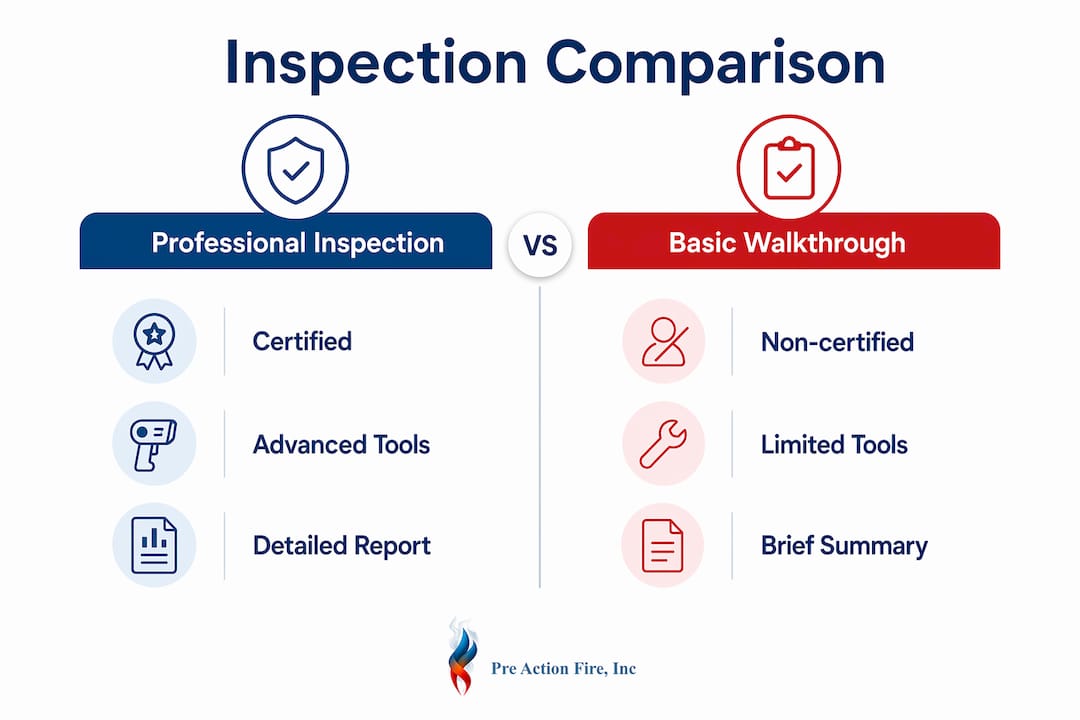
Certification is the clearest dividing line. Inspectors credentialed by InterNACHI or ASHI must pass rigorous exams and complete ongoing education to maintain their status. A basic walkthrough by an uncredentialed contractor carries no such accountability.
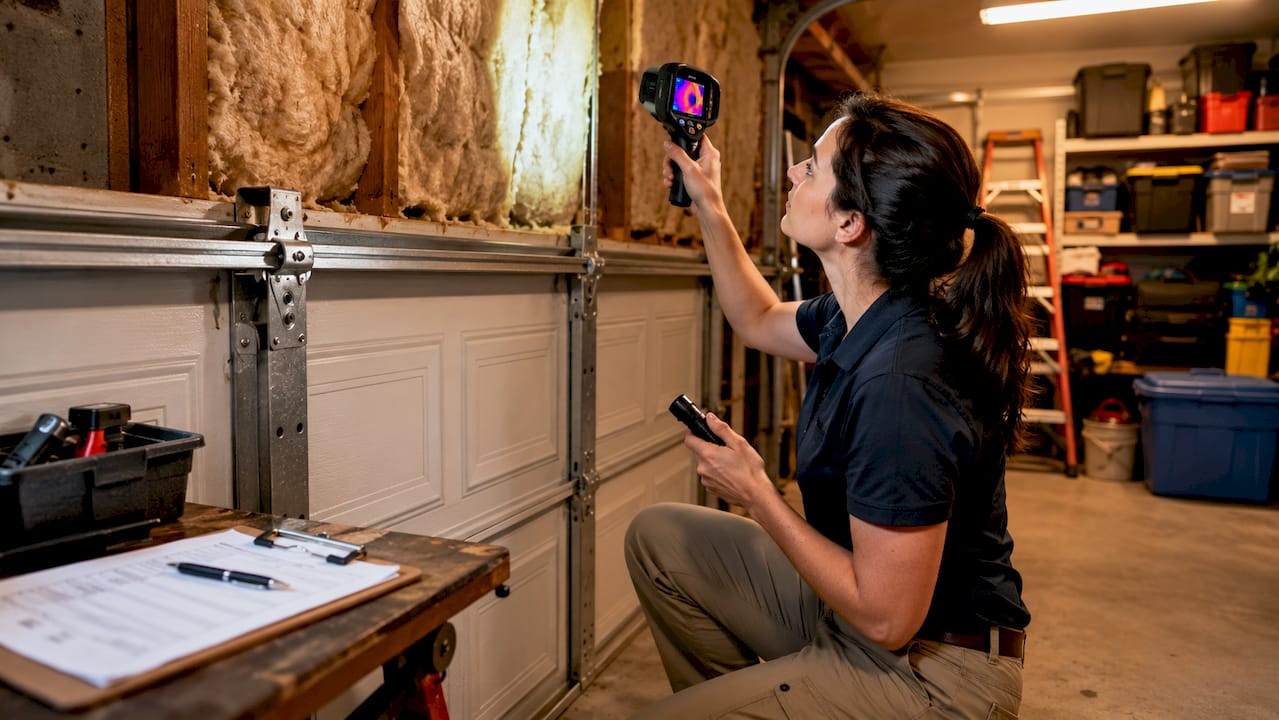
The equipment gap is equally significant. Professional inspectors use thermal imaging cameras and moisture meters to detect problems that are completely invisible to the naked eye. Thermal imaging can reveal heat signatures from overloaded electrical panels behind finished walls. Moisture meters catch water intrusion inside flooring systems before mold establishes itself.
| Evaluation type | Coverage | Tools used | Report quality |
|---|---|---|---|
| Professional certified inspection | Structural, electrical, fire safety, HVAC, plumbing | Thermal imaging, moisture meters, gas detectors | Detailed report with photos and repair priorities |
| Basic contractor walkthrough | Visible surface conditions only | Visual assessment | Informal notes or verbal summary |
| Seller-recommended inspection | Variable, potential conflict of interest | Varies | May omit unfavorable findings |
A comprehensive inspection report includes clear explanations, supporting photographs, and practical guidance for each finding. That format matters because it makes the report usable by facility managers, attorneys, insurance adjusters, and contractors alike.
Pro Tip: Never use an inspector recommended solely by the seller or listing agent. Choose a certified inspector you hire independently to eliminate conflicts of interest.
Fire safety coverage is one area where the gap between professional and basic evaluations is most consequential. Certified inspectors check sprinkler system pressure, alarm functionality, and extinguisher placement against NFPA standards. A basic walkthrough misses all of it.
How should facility managers integrate inspections into risk management?
Proactive scheduling is the core discipline. Inspection reports inform budgeting and help facility managers schedule preventive maintenance before systems fail. Reactive maintenance consistently costs more than planned maintenance, and the cost gap widens with building age.
Recommended inspection frequencies by property type:
- Commercial office buildings: Annual full inspection, with fire safety systems inspected per NFPA 25 and NFPA 72 schedules.
- Industrial facilities: Semi-annual inspections for high-risk environments. Fire safety investment planning for industrial properties should incorporate inspection findings directly into capital budgets.
- Multi-unit residential: Annual inspection of common areas, mechanical systems, and fire protection equipment.
- New construction: Post-construction inspection before occupancy, then annual thereafter.
| Inspection type | Recommended frequency | Primary focus |
|---|---|---|
| General property inspection | Annual | Structural, electrical, plumbing, HVAC |
| Fire safety inspection | Annual or per NFPA schedule | Sprinklers, alarms, extinguishers, egress |
| Compliance audit | Per regulatory cycle | Code adherence, documentation, permits |
| Post-incident inspection | Immediately after any incident | Damage assessment, liability documentation |
Integrating inspection data into your compliance program requires one additional step: linking findings to your insurance documentation. Carriers increasingly require evidence of regular inspections to maintain coverage terms. Safety inspection platforms can help facility managers track findings, assign corrective actions, and maintain audit-ready records across multiple properties.
Using inspection reports for capital planning means sorting findings by urgency and cost. Immediate safety hazards get addressed first. Deferred maintenance items get scheduled into the next budget cycle. That prioritization process is only possible when you have a detailed, certified report to work from.
Key Takeaways
Professional inspections are the most cost-effective risk management tool available to facility managers and property owners, delivering documented safety, compliance, and financial protection from a single certified evaluation.
| Point | Details |
|---|---|
| Strong ROI on inspection cost | A $300–$500 inspection prevents repairs that cost 10–30 times more. |
| Negotiation leverage | Certified reports give you legal standing to negotiate repairs or cancel contracts within the contingency window. |
| Certification matters | InterNACHI and ASHI credentials require ongoing training, making certified inspectors far more reliable than uncredentialed alternatives. |
| Proactive scheduling reduces costs | Annual inspections aligned with budget cycles prevent emergency repairs and support capital planning. |
| Fire safety requires specialist coverage | NFPA-compliant fire safety inspections cover sprinklers, alarms, and extinguishers that general inspectors may not fully assess. |
The case for treating inspections as a standard operating procedure
Most facility managers I have worked with initially treat inspections as a transaction cost. They schedule one before a purchase or renewal, then let years pass before the next one. That approach consistently produces the worst outcomes: deferred defects that compound, compliance gaps that surface during audits, and emergency repairs that blow quarterly budgets.
The shift happens when managers start reading inspection reports as forward-looking documents rather than backward-looking checklists. A finding about aging electrical panels is not just a problem. It is a capital planning signal. A note about sprinkler head corrosion is not just a maintenance item. It is a liability exposure that your insurer will ask about after a fire event.
The properties I have seen managed most effectively share one habit: they schedule certified inspections on a fixed annual calendar, treat every finding as an input to the next budget cycle, and never defer fire safety items. That discipline does not eliminate surprises entirely. It does eliminate the category of surprise that costs the most.
Certified inspections also build institutional trust. Tenants, insurers, and regulators all respond differently to a property owner who can produce a current, certified inspection report on request. That credibility has real financial value, even when no transaction is pending.
— Results
Preactionfire’s inspection services for Denver facility managers
Pre Action Fire has served the Denver Metro Area since 2009, providing NICET-certified fire safety inspections, sprinkler system compliance checks, and fire alarm evaluations for commercial and industrial properties. Their technicians work to NFPA standards and deliver detailed reports that satisfy both regulatory requirements and insurance documentation needs.
Facility managers who need to close compliance gaps or schedule their annual fire safety evaluation can access Denver fire safety inspections through Preactionfire’s dedicated inspection program. For properties requiring fire alarm compliance support, Preactionfire’s fire alarm compliance services cover detection systems, notification devices, and full NFPA 72 documentation. Contact Preactionfire directly to schedule a certified inspection and get a written report your team can act on.
FAQ
What does a professional inspection typically cost?
A standard property inspection costs $300–$500, which is less than 0.1% of most property values. The ROI is 10–30 times the inspection fee when it prevents major repairs.
How long does an inspection contingency last?
Inspection contingency periods typically last 7–10 days. That window gives buyers or property managers the legal right to negotiate repairs, request credits, or cancel contracts without financial penalty.
What credentials should a professional inspector hold?
Look for inspectors certified by InterNACHI or ASHI. Both organizations require candidates to pass exams and complete continuing education to maintain their credentials.
How often should facility managers schedule professional inspections?
Commercial and industrial properties benefit from annual general inspections. Fire safety systems should be inspected per NFPA 25 and NFPA 72 schedules, which often require more frequent checks for specific components.
Why hire a home inspector instead of relying on a seller’s disclosure?
Seller disclosures are self-reported and legally limited. A certified inspector uses thermal imaging, moisture meters, and systematic checklists to find defects that sellers may not know about or may not disclose.