TL;DR:
- Following the RACE protocol is essential for effective fire emergency response across various sectors. Proper training, clear roles, and regular drills ensure quick and coordinated action during a fire.
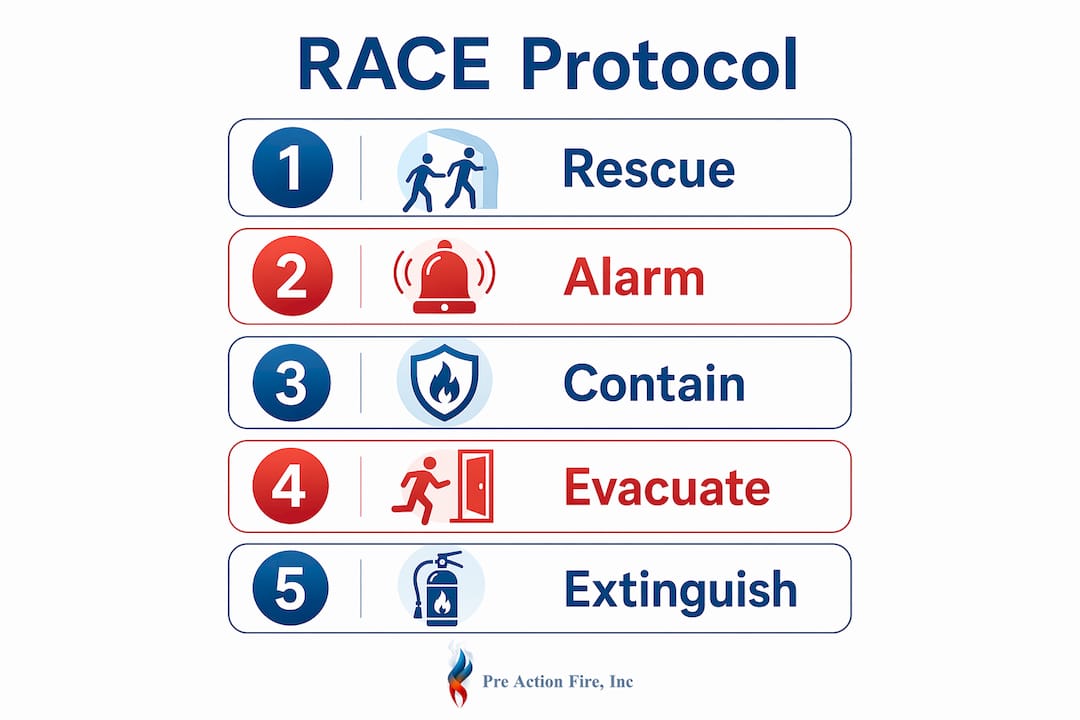
Effective fire emergency response follows the RACE protocol: Rescue, Alarm, Contain, and Evacuate or Extinguish. This four-step procedure is the 2026 industry standard across commercial, healthcare, and industrial sectors. Safety officers who know RACE and train their teams on it reduce casualties, limit property damage, and stay compliant with NFPA 72 requirements. The difference between a controlled evacuation and a chaotic one almost always comes down to preparation, not luck.
How to respond to fire emergencies using the RACE protocol
RACE is the structured method safety professionals use when a fire breaks out. Each letter maps to a specific action, and the sequence matters. Skipping steps or reordering them creates gaps that cost lives.
Step 1: Rescue
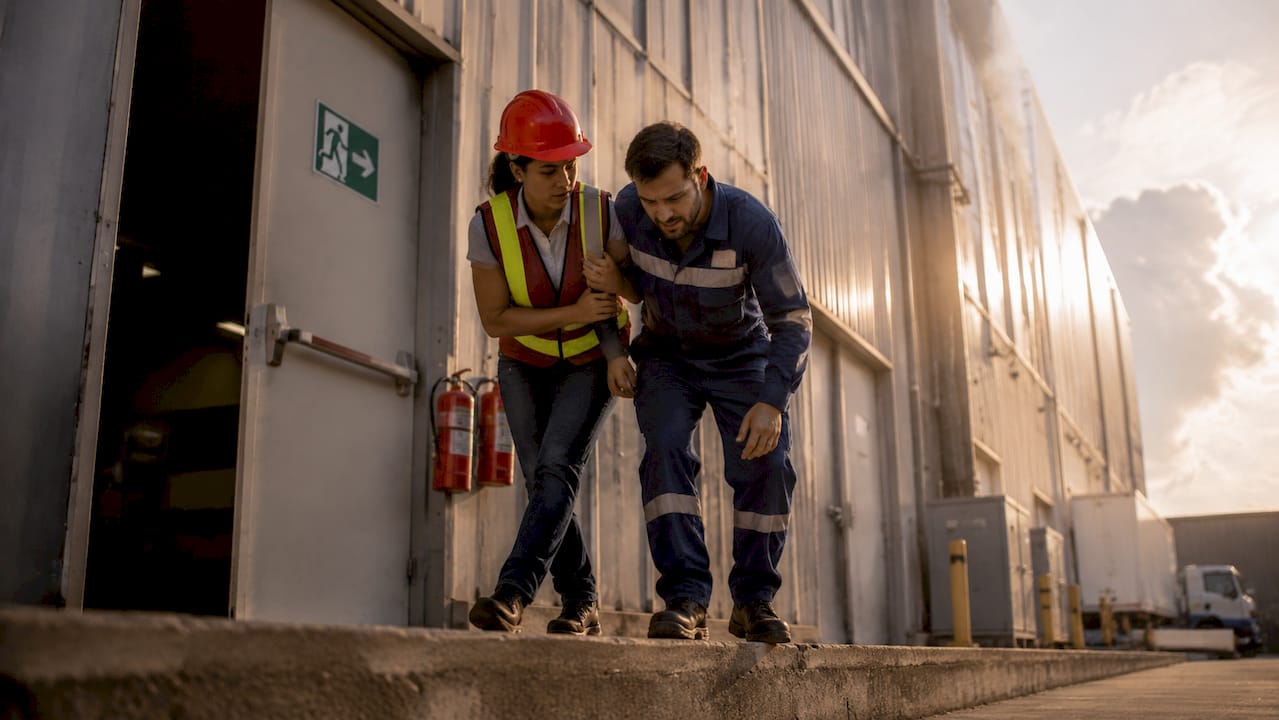
Rescue means removing anyone in immediate danger from the fire’s path. Focus on people who cannot self-evacuate: individuals with mobility limitations, those who are unconscious, or anyone trapped near the fire’s origin. Do not attempt a rescue that puts you in the fire’s direct path without a clear exit route available.
Step 2: Alarm
Activate the nearest manual pull station immediately after rescuing anyone in danger. Call 911 and notify building management or your designated fire warden. Do not assume someone else has already called. Fragmented communication is one of the most common failures in workplace fire response, and a designated “alarm caller” role eliminates that gap.
Step 3: Contain
Close every door between the fire and occupied areas. This single action is more powerful than most safety officers realize. Closed doors hold back lethal fire conditions for 10–20 minutes. That window gives occupants time to escape and gives responders time to arrive. Do not lock doors, since firefighters need access, but close them firmly.
Step 4: Evacuate or Extinguish
Evacuate all occupants using designated exit routes. Attempt to extinguish a fire only when all four conditions apply: the fire is small and contained, you have a clear exit behind you, you have the correct type of fire extinguisher for the fire class, and you have been trained to use it. If any condition is missing, evacuate immediately.
Pro Tip: Use the PASS technique when operating a fire extinguisher: Pull the pin, Aim at the base of the fire, Squeeze the handle, and Sweep side to side. Aiming at the flames instead of the base is the most common extinguisher mistake.
How to interpret fire panel alerts and respond correctly
Fire alarm panels display three distinct signal types, and each one demands a different response. Treating them all the same creates either unnecessary evacuations or dangerous delays.
Alarm signal means a detector or pull station has activated. This requires immediate action.
- Initiate full building evacuation without delay.
- Call 911 and report the alarm location shown on the panel.
- Do not investigate by entering smoke-filled areas. Assessment near exits only is the correct approach.
- Treat every alarm as real until the fire department confirms otherwise. Assuming a false alarm has caused fatal evacuation delays.
Trouble signal means the system has detected a fault, such as a wiring break, low battery, or a device offline. This does not require evacuation. Contact your fire alarm service provider and document the fault. The system’s detection capability is reduced until the fault is repaired, so increase manual patrols in the affected zone.
Supervisory signal means a monitored piece of equipment is in an off-normal condition. Common examples include a closed sprinkler valve or a low water pressure reading. No evacuation is needed, but the condition requires prompt attention and documentation.
| Signal type | Meaning | Required action |
|---|---|---|
| Alarm | Fire detected | Evacuate immediately, call 911 |
| Trouble | System fault | Call service provider, document fault |
| Supervisory | Equipment off-normal | Inspect equipment, restore and document |
Document every panel event with the device number, event timestamp, and any communication with service providers. This record supports compliance audits and speeds up future repairs.
Pro Tip: Post a laminated signal reference card at every fire panel in your building. Staff who encounter a panel alert at 2:00 AM should not need to recall signal meanings from memory.
Check the Preactionfire guide on alarm malfunction signs if your panel is generating repeated false Trouble signals.
What to do when exit routes are blocked
A blocked exit changes the response entirely. Safety officers must train staff on both primary and secondary evacuation routes before an emergency occurs. When both are compromised, sheltering in place becomes the correct action.
Follow these steps when you cannot evacuate safely:
- Move to a room with a window and a solid door.
- Close the door and use clothing, towels, or any available fabric to seal the gap at the bottom. This slows smoke infiltration significantly.
- Signal from the window using a flashlight, bright fabric, or by calling 911 with your exact location.
- Stay low. Smoke rises, and the air near the floor stays cleaner longer.
- Do not open the door unless firefighters instruct you to do so.
The role of fireproof doors in commercial buildings directly supports this strategy. A rated fire door buys the maximum protection window during a shelter-in-place situation.
Closed doors are your most reliable tool during a fire. A standard interior door can hold back lethal heat and smoke for 10–20 minutes, giving you time to survive until help arrives. Never prop doors open in a building where fire risk exists.
Staying low during evacuation is not optional. Smoke inhalation causes more fire deaths than burns. The cleaner air layer near the floor can be the margin between consciousness and collapse during a long corridor evacuation.
For detailed evacuation plan guidance, Preactionfire provides facility-specific frameworks that account for building layout and occupant needs.
How to assign roles and train staff for coordinated fire response
Panic is a leading cause of fire casualties. Frequent, high-fidelity drills override the freezing and impulsive behavior that panic produces. Training builds automatic responses, and automatic responses save lives when rational thinking is suppressed by stress.
Assigning clear roles before an emergency prevents the task overload that causes coordination failures. Every workplace fire response plan should designate:
- 911 caller: One person responsible for contacting emergency services and reporting the panel’s alarm zone.
- Panel monitor: One person who reads the fire panel, tracks the alarm location, and relays information to the fire warden.
- Fire warden: The person who directs evacuation, confirms all zones are cleared, and meets the fire department at the entrance.
- Accountability officer: The person who takes attendance at the assembly point and reports missing occupants to the fire warden.
Fire drill procedures should go beyond a simple alarm activation. Simulate low-visibility conditions by having staff practice routes with eyes closed or in reduced lighting. Run drills at varied times, including shift changes, when staff are less alert. Debrief every drill with specific feedback, not just a pass or fail result.
Pro Tip: Run at least one unannounced drill per year. Announced drills measure compliance. Unannounced drills measure actual readiness.
Effective fire safety communication between roles is the backbone of a coordinated response. A fire warden who cannot reach the panel monitor, or an accountability officer who has no list to check against, creates dangerous gaps even when everyone is trying to do the right thing.
Key Takeaways
Effective fire emergency response requires the RACE protocol, clear role assignments, correct alarm signal interpretation, and regular high-fidelity drills to build automatic safe behavior.
| Point | Details |
|---|---|
| Follow RACE every time | Rescue, Alarm, Contain, then Evacuate or Extinguish in that order, without skipping steps. |
| Read panel signals correctly | Alarm means evacuate; Trouble means call service; Supervisory means inspect and document. |
| Close every door | Closed doors provide 10–20 minutes of protection and are critical for both containment and sheltering in place. |
| Assign roles before an emergency | Designate a 911 caller, panel monitor, fire warden, and accountability officer to prevent task overload. |
| Drill with realism | Unannounced and low-visibility drills build the automatic responses that prevent panic-driven casualties. |
Why preparation beats reaction every time
The most common mistake I see safety officers make is treating fire response as a document exercise. They write the plan, post the evacuation map, and check the compliance box. Then a real alarm sounds, and the plan falls apart because nobody has actually practiced it under pressure.
The second most common mistake is alarm investigation. Staff hear an alarm and walk toward the smoke to “check if it’s real” before deciding to evacuate. Entering smoke-filled areas to investigate is one of the most dangerous decisions a person can make in a fire. By the time smoke is visible in a corridor, conditions can become unsurvivable within minutes. The correct response is to move toward an exit, not toward the source.
What I’ve found actually works is role specificity combined with repetition. When every person in a building knows their one job during an emergency, the cognitive load drops dramatically. The 911 caller does not need to think about evacuation. The fire warden does not need to think about the panel. That separation of responsibility is what keeps people calm and functional when adrenaline takes over.
NFPA 72 sets the technical floor for fire alarm system performance. But the human side of fire response, the decisions made in the first 90 seconds, determines whether a system saves lives or just records the event. Invest in both the hardware and the training. Neither works without the other.
— Results
Preactionfire supports your fire emergency readiness
Fire alarm systems that comply with 2026 codes are the foundation of any effective workplace response plan. Preactionfire has served the Denver Metro Area since 2009, installing, monitoring, and servicing commercial fire alarm systems that meet NFPA standards and support the response protocols covered in this article.
Pre Action Fire’s NICET-certified technicians design systems for your building’s specific layout, occupancy type, and compliance requirements. Whether you need a new installation, a panel upgrade, or a full inspection to verify your system’s readiness, the team provides direct, expert guidance. Contact Preactionfire to schedule a consultation and confirm your workplace is prepared before the next alarm sounds.
FAQ
What does RACE stand for in fire emergency response?
RACE stands for Rescue, Alarm, Contain, and Evacuate or Extinguish. It is the standard fire emergency procedure used across commercial, healthcare, and industrial settings in 2026.
Should you always evacuate when a fire alarm sounds?
Yes. Treat every fire alarm as real until the fire department confirms otherwise. Assuming a false alarm without verification has caused fatal evacuation delays.
What is the difference between a Trouble signal and an Alarm signal on a fire panel?
An Alarm signal means a detector has activated and requires immediate evacuation. A Trouble signal indicates a system fault that requires a service call but does not require evacuation.
When is it safe to use a fire extinguisher instead of evacuating?
Use an extinguisher only when the fire is small and contained, you have a clear exit behind you, you have the correct extinguisher for the fire class, and you have been trained to use it. If any condition is missing, evacuate.
How often should workplaces conduct fire drills?
Workplaces should conduct fire drills at least annually, with at least one unannounced drill per year. High-fidelity drills that simulate low-visibility conditions build the automatic responses that prevent panic during real emergencies.